

Agricultural Net
What is Agricultural Net
In agriculture, netting is a multipurpose instrument that shields crops from pests, birds, and other elements. Natural or synthetic materials, such as nylon, cotton, burlap, jute, or bamboo, can be used to make it. The kind of material used depends on the size of the crop that needs to be protected and how much protection is required. In addition to providing a physical barrier between plants and animals that may otherwise harm them, netting also allows air, sunlight, and moisture to access the crop, preserving the possibility of healthy yields.
Modulates light intensity
Every crop requires a certain amount of light to thrive. Too much light can be just as harmful as too little. With the use of sun shade net, farmers can effectively modulate the amount of light that reaches their crops. The nets filter sunlight, so plants get the right amount of light to grow without getting burned.
Temperature regulation
A consistent and suitable temperature is paramount for the growth and yield of crops.One of the major benefits of using shading net in farming is their ability to regulate the temperature.By controlling the amount of sunlight that reaches the plants, these nets prevent excessive heat from building up.This ensures that plants are not exposed to extreme temperature fluctuations, which can be detrimental to their growth and health.
Protection from harmful uv rays
While sunlight is vital for the growth of plants, the ultraviolet (UV) rays in sunlight can be harmful. These rays can damage plant tissues, reducing their lifespan and productivity. Shade cloth, especially those designed to filter out UV rays, can be instrumental in providing protection against these harmful rays. Sun shade netting blocks UV rays, keeping plants healthy and helping them reach their full potential.
Pest and bird control
One of the immediate advantages of shade net farming is the barrier it creates against pests and birds. Traditional farming often grapples with the invasion of pests that can be detrimental to crop health, leading to significant losses.Birds, while beautiful, can be a menace in a farm setting, pecking at seeds and young plants. Shade mesh acts as a physical barrier, keeping these threats at bay.
-
![Fabric Weed Control Mat]() Fabric Weed Control MatThe fabric weed control mat is made of durable PP material and is placed on top of the soil, providing a barrier to prevent weeds from sprouting. This is a simple and environmentally friendly...read more
Fabric Weed Control MatThe fabric weed control mat is made of durable PP material and is placed on top of the soil, providing a barrier to prevent weeds from sprouting. This is a simple and environmentally friendly...read more

Why Choose Us
High quality
Our products are manufactured or executed to a very high standard, using the finest materials and manufacturing processes.
Professional team
Our professional team collaborates and communicates effectively with each other, and is dedicated to delivering high quality results. We are capable of handling complex challenges and projects that require our specialized expertise and experience.
Advanced equipment
A machine, tool or instrument designed with advanced technology and functionality to perform highly specific tasks with greater precision, efficiency and reliability.
24H online service
We try and respond to all concerns within 24 hours and our teams are always at your disposal in case of any emergencies.
In agriculture, netting is a multipurpose instrument that shields crops from pests, birds, and other elements. Natural or synthetic materials, such as nylon, cotton, burlap, jute, or bamboo, can be used to make it. The kind of material used depends on the size of the crop that needs to be protected and how much protection is required. In addition to providing a physical barrier between plants and animals that may otherwise harm them, netting also allows air, sunlight, and moisture to access the crop, preserving the possibility of healthy yields.
Choosing netting for agricultural application requires consideration of elements like affordability, toughness, visibility, and ease of installation. The material should be selected based on whether the net will be installed above ground or below ground. Materials that are lightweight but strong enough to resist windy conditions without easily breaking down over time would be needed for aboveground nets. To withstand pressure from soil movement or root growth, belowground nets should be exceptionally strong.
Using netting effectively in agriculture mostly depends on how well it is installed. For instance, even though the fabric was intended to avoid this kind of damage in the first place, if there are gaps or holes in it, pests could still get through and injure the crop. When installing the nets, appropriate tensioning methods and staking procedures must be used to ensure that they create an effective barrier against potential threats while always allowing enough airflow during their lifespan of use.

Farmers can safeguard their crops from pests and damage by using netting in agriculture, which offers a number of benefits.
First, utilising nets spares farmers from adopting dangerous techniques like chemical insecticides to keep birds out of their farms. Nets offer a reliable physical barrier that prevents birds from accessing priceless crops, reducing agricultural losses from bird predation and averting potential health hazards from hazardous chemicals. Crop netting also offers some protection against hailstorms and can stop wind-blown sand and dust particles from harming plants.
Using agricultural netting also has the benefit of increasing yields by safeguarding sensitive young fruits and vegetables during the growth process. The use of nets helps prevent animals or people from kicking these delicate things off branches or vines before they have had a chance to fully develop. Also, when utilised properly, crop nets can lower evaporation rates so that more moisture is retained in the soil structure. This results in higher levels of water retention, which in turn improves plant growth conditions and increases yields in general.
Last but not least, employing nets allows growers to save money by removing the need for physical work during harvest, such as weeding or handpicking fruit and vegetables. Moreover, expenses per hectare can be greatly decreased over time when compared to other types of pest management systems because the majority of netting types are strong enough for repeated usage over several seasons. Thus, agricultural netting offers a wide range of useful options for farmers seeking to maximise efficiency while defending their crops from outside dangers.
Types of Agricultural Net
With netting, agricultural farmers may safeguard their crops against pests and other environmental threats. Today's market offers a wide range of netting options, each with its own advantages depending on the particular requirements of the producer. Three types of nets that are frequently used in agriculture will be covered in this article along with their unique benefits and drawbacks.
Insect screening is the first kind of netting frequently used in agricultural operations. Little insects that can harm crops, such as aphids or whiteflies, can be kept out via insect screening. In contrast to other types of netting, it also has the benefit of being relatively affordable. Unfortunately, it may not offer sufficient defence against larger animals like birds or rabbits, which might be more challenging to fend off with just this kind of netting.
Bird netting is another typical type of netting used in agriculture. For some growers who need higher levels of crop security due to the presence of local animals, bird netting offers good defence against larger species like pigeons or doves. Although it frequently costs more than insect screening, utilising bird netting can save significant crop loss, therefore its greater price often pays for itself. The main drawback of this kind of netting is that constant maintenance is necessary to maintain good performance over time; debris must be frequently cleared.
Last but not least, shade mesh provides both thermal and physical protection from high temperatures and direct sunshine. Due to its highly reflecting qualities, it is ideal for shielding delicate plants from heat stress during hot summer days or assisting new seedlings in acclimating gradually to direct sunlight exposure without compromising their future growth potential. Given how useful they can be in preserving healthy growing conditions at all stages throughout the season's life cycle period, shading mesh's long-term benefits typically outweigh those costs many times over. This is true even though it can be significantly more expensive than insect screen or birdnet.
In conclusion, there are many different kinds of netting that can be used in agricultural operations today, and each one offers different advantages depending on the specific requirements posed by local weather patterns, pest infestations, and other factors influencing overall crop production efforts along the way. In order to ensure optimal coverage while minimising unnecessary spending at every turn, much thought should always go into selecting what kind(s) best suit one's own operation before investing significant sums into any single product solution moving forward.
In addition to offering shade and wind protection, nets are an efficient and effective method of protecting crops from pests. Although installing and maintaining netting is not a difficult task, it does require some understanding to make sure the netting fulfils its function.
When installing a net, the first step is to measure the area that needs to be covered and, if necessary, add extra length to each side before cutting it to size. Then, using posts or poles positioned at a distance that allows for easy access between them, it should be suspended above the crop. To prevent any wild animals from crawling under the net, the edges can be be secured with weights or pegs along the bottom edge. Fitting nets over tall plants or trees also requires extra care because they need support points that are higher up than usual.
Once the nets are in place, they should be periodically inspected to see if there are any breaches that might allow animals to enter the protected zones. Weather-related or wildlife-related damage should be addressed right away by either swapping out damaged pieces of the cloth or sewing new sections together. Furthermore, nets must be taken down every few months to allow for natural sunlight and airflow, which promotes optimum growth levels in crops and prevents the establishment of mould because of humidity buildup underneath coverings.
In conclusion, effective net installation and upkeep offer maximal defence against insect invasion while allowing vital nutrients like light and air circulation for the healthiest plants possible. By Taking these actions, one can ensure that their crop is adequately protected from any potential hazards without sacrificing its capacity to grow successfully.
Agriculture can benefit from using netting as a technique since it helps to sustain healthy crop yields. In instance, netting can be used to increase crop productivity and safeguard crops from predators and pests. In this post, we'll talk about how employing netting in agriculture might increase crop productivity.
Netting offers two key benefits when it comes to raising crop output. The first benefit is that it enables farmers to cultivate a variety of plants on a single plot of land without sacrificing quality or yield. Intercropping, a practise where producers carefully place nets over specific portions of a field to generate microclimates that support many plant species simultaneously. Second, netting aids in keeping out weeds, which when left unchecked reduce harvest yields by competing with desired crops for nutrients and water.
Generally, netting can increase crop output if it is used effectively in agricultural techniques. It has been discovered to lessen weed competition while also permitting effective intercropping techniques to use the available area. As a result, those who grow food crops professionally or on a smaller scale may see higher-than-average yields and increased efficiency as a result of the interaction of these factors.
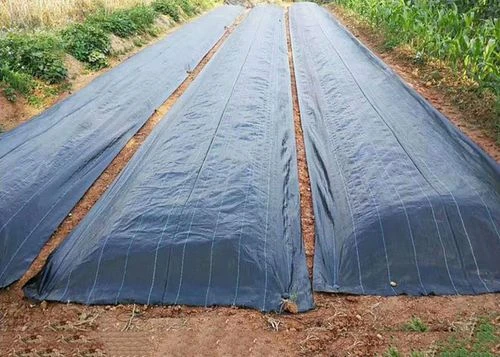
There are a variety of ways to install netting in an agricultural environment. As farmers are dealing with food products it is essential to avoid any products that are likely to cause contamination to the ground, water or plants. As plants absorb any chemicals that are present in the water supply or soil, it is necessary to use products that are safe and won’t negatively affect the growth and yield of your crop. The right pressure treated netting poles will not bleed or leach any chemicals into the surrounding environment. If you opt for netting poles that don’t have to be treated on a regular basis you limit the risk of harmful chemicals leaking into your fruit. In addition, treated netting poles have no smell or residue that are likely to affect crops and have a decreased risk of flammability. In addition, the right treated netting poles will not need any additional treatment after being planted and this no maintenance approach drastically reduces labour costs in the long run. The initial treatment of netting poles also helps them to last longer in an agricultural environment as they are not susceptible to rotting or termite infestation. While the cost of setting up the right netting can be significant in the beginning, by choosing the correct netting and poles for your environment, the long-terms costs are lowered as little maintenance is required and the yield should exceed the costs in a couple of years.
Another thing to bear in mind is that your netting poles will anchor the entire structure and thus good quality poles are essential for ensuring the integrity of the structure. To create the most secure structure, the best option is to place netting poles in a diamond pattern, spaced between 12 and 16 metres in each row with wires running in between to support the netting. For hail nets, it is necessary to also create sections where the hail can fall through, while hail nets will also require a stronger material than netting used for shade. When determining the length of your netting poles it is essential to also leave around a 1 metre space above your fruit for bee activity. It is also essential that nets are properly tensioned and attached to their poles as excess wind can cause rubbing against poles and wires and lead to your nets wearing prematurely.
FAQ
Q: What is a shade net used for?
Q: What is shade net farming?
Q: Which shade net is best for plants?
Q: What is the lifespan of shade net?
Q: Is shade net waterproof?
Q: What material is used for shade nets?
Q: What is 75% shade net?
Q: Can shade net be used for greenhouse?
Q: What is the difference between white and green shade net?
Q: Why green net is used for plants?
Q: What is the quality of shade net?
Q: How do you clean a shade net?
Q: Does shade net reduce temperature?
Q: Can rain pass through shade cloth?
Q: What is the difference between shade cloth and shade net?
Q: What is the difference between shade net house and polyhouse?
Q: What is woven shade net?
Q: Do greenhouses need shade?
Q: What mesh is used for greenhouse?
Q: Do you need UV light in a greenhouse?
We're well-known as one of the leading agricultural net suppliers in China, specialized in providing high quality customized service. Please feel free to wholesale high-grade agricultural net made in China here from our factory.
5 Years UV Protection Film For Red Rose, EVA Greenhouse Film, Single layer rough geomembrane