

Mulch Flim
What is Mulch Flim
Mulching Film is a type of plastic film used in agriculture to cover soil around plants. Mulching film is usually either black or clear, and is usually made of polyethylene, a type of plastic. It typically comes in a variety of thicknesses and colors to suit different conditions. It is used to reduce evaporation, suppress weeds, improve soil fertility, and protect plants from various environmental conditions. The film helps to warm the soil and retain moisture, creating a favorable environment for plants to grow. It also prevents light from reaching the soil, which suppresses weed growth. In addition, the film prevents soil erosion, and helps to conserve soil nutrients. Mulching film is used for a variety of crops, including vegetables, fruits, and grains.
Modification of soil temperature
The mulch films play a significant role in the appropriate modification of the temperature of the soil sothat it is ideally suitable for the effective growth of plants.
Prevents loss of moisture
Loss of moisture from the soil can be harmful to the appropriate growth of the plants. It is because the loss of moisture can result in drying out of the soil and hence not good for plants. The use of mulch films plays asignificant role in preventing the loss of moisture from the soil by reducing the rate of evaporation.
Conservation of water or water retention
The mulch film is extremely helpful in reducing the rate of water fluctuation in the soil and hence conserves water. These films help in maintaining a constant level of humidity in the soil which is beneficialfor the growth of plants.
Minimizes spread of weed
The use of mulch films helps in limiting the growth of weeds in the soil. The minimization of the spread of weed in the soil propels the growth of plants which is immensely beneficial to the farmers.
-
![Green Plastic Mulch For Eggplant]() Green Plastic Mulch For EggplantGreen Plastic Mulch For Eggplant is aimed at some characteristics that need to pay attention to in eggplant planting, and developed new products. Green Plastic Mulch For Eggplant is very...read more
Green Plastic Mulch For EggplantGreen Plastic Mulch For Eggplant is aimed at some characteristics that need to pay attention to in eggplant planting, and developed new products. Green Plastic Mulch For Eggplant is very...read more -
![Silver Black Plastic Film]() Silver Black Plastic FilmSilver black plastic film with good light protection, weed suppression, soil moisture retention, water conservation, soil fertility, seedling growth protection, aphid repellent, bright fruit...read more
Silver Black Plastic FilmSilver black plastic film with good light protection, weed suppression, soil moisture retention, water conservation, soil fertility, seedling growth protection, aphid repellent, bright fruit...read more -
![Red Heat Preservation Mulch Film]() Red Heat Preservation Mulch FilmRed Heat Preservation Mulch Film is a new type of plastic film, used in the greenhouse, covering the ground weeding. As we all know, traditional black film has a very good weed control effect, but...read more
Red Heat Preservation Mulch FilmRed Heat Preservation Mulch Film is a new type of plastic film, used in the greenhouse, covering the ground weeding. As we all know, traditional black film has a very good weed control effect, but...read more -
![Degradable Mulch For Sweet Pepper]() Degradable Mulch For Sweet PepperDegradable Mulch For Sweet Pepper is aimed at the sweet pepper planting needs to pay attention to the characteristics, and the new products. Our products are very green and green because they are...read more
Degradable Mulch For Sweet PepperDegradable Mulch For Sweet Pepper is aimed at the sweet pepper planting needs to pay attention to the characteristics, and the new products. Our products are very green and green because they are...read more -
![Degradable Mulch For Sweet Potato]() Degradable Mulch For Sweet PotatoDegradable Mulch For Sweet Potato is a new product studied for the cultivation of sweet potato. Our products are very green, because the innovative biodegradable formula is added to the production...read more
Degradable Mulch For Sweet PotatoDegradable Mulch For Sweet Potato is a new product studied for the cultivation of sweet potato. Our products are very green, because the innovative biodegradable formula is added to the production...read more -
![Biodegradable Mulch For Family Gardening]() Biodegradable Mulch For Family GardeningBiodegradable Mulch For Family Gardening is aimed at the characteristics that need to be paid attention to in home gardening, and the new products. Long service life, good tear resistance, and it...read more
Biodegradable Mulch For Family GardeningBiodegradable Mulch For Family Gardening is aimed at the characteristics that need to be paid attention to in home gardening, and the new products. Long service life, good tear resistance, and it...read more -
![Degradable Mulch For Ginger]() Degradable Mulch For GingerDegradable Mulch For Ginger is the new product that can be biodegradable and are more environmentally friendly. It is not only more environmentally friendly, but also can customize the...read more
Degradable Mulch For GingerDegradable Mulch For Ginger is the new product that can be biodegradable and are more environmentally friendly. It is not only more environmentally friendly, but also can customize the...read more -
![Degradable Mulch]() Degradable MulchThis type of mulch is typically made from renewable resources, such as corn starch and other plant-based materials, which means it can be produced sustainably and does not contribute to...read more
Degradable MulchThis type of mulch is typically made from renewable resources, such as corn starch and other plant-based materials, which means it can be produced sustainably and does not contribute to...read more -
![Degradable Mulch]() Degradable MulchInnovative biodegradable agricultural film, wide range of use, improve microbial activity, tailor-made customized formulations, automatic degradation, easy to use and easy to operate, retain soil...read more
Degradable MulchInnovative biodegradable agricultural film, wide range of use, improve microbial activity, tailor-made customized formulations, automatic degradation, easy to use and easy to operate, retain soil...read more -
![Green Plastic Mulch]() Green Plastic MulchGreen plastic mulch can increase soil temperature, suppress weeds, resist pests and diseases, maintain soil and water, save costs, increase yields and improve yields in a wide range of applications.read more
Green Plastic MulchGreen plastic mulch can increase soil temperature, suppress weeds, resist pests and diseases, maintain soil and water, save costs, increase yields and improve yields in a wide range of applications.read more -
![Perforated Mulch]() Perforated MulchThere are many types of perforated mulch, which regulates soil temperature, improves fertilizer utilization, maintains soil and water, increases nutrients, improves soil physical properties,...read more
Perforated MulchThere are many types of perforated mulch, which regulates soil temperature, improves fertilizer utilization, maintains soil and water, increases nutrients, improves soil physical properties,...read more


Why Choose Us
High quality
Our products are manufactured or executed to a very high standard, using the finest materials and manufacturing processes.
Professional team
Our professional team collaborates and communicates effectively with each other, and is dedicated to delivering high quality results. We are capable of handling complex challenges and projects that require our specialized expertise and experience.
Advanced equipment
A machine, tool or instrument designed with advanced technology and functionality to perform highly specific tasks with greater precision, efficiency and reliability.
24H online service
We try and respond to all concerns within 24 hours and our teams are always at your disposal in case of any emergencies.
Types of Mulch Flim
Organic mulching sheet
These sheets are made with dry leaves, straws, and dead leaves, and farmers can easily make the same without investing money. They are organic because they decompose into the soil and generate nutrition in the soil.
Woven mulching films
These are manufactured by professionals and are made of woven fabric that allows air and water to pass through the pores into the crops and blocks the sunlight. This covers the crops and soil in commercial gardening and farms. They are highly durable and tear-proof.
Paper mulching sheets
These sheets are made with biodegradable papers and decompose in a matter of time. They are a desirable option compared to plastic or woven sheets because they do not cause any harm to the environment.
Plastic mulching sheets
These sheets are made with polyethylene or polypropylene. They are durable, tear-proof, long-lasting, and do not decompose in the soil. They are commonly used in commercial farming. They help to increase the crop yield.
The choice of mulch film color can significantly influence soil temperature and plant growth. Different colors of mulch film absorb and reflect sunlight differently, which can lead to different soil temperatures.
Black mulch film: Black mulch film absorbs the most sunlight, which can lead to the highest soil temperatures. This can be beneficial for early season planting and for crops that require warm soil temperatures, such as tomatoes and peppers. However, black mulch film can also lead to excessive soil temperatures in hot climates, which can stress plants.
White mulch film: White mulch film reflects the most sunlight, which can lead to the lowest soil temperatures. This can be beneficial for crops that require cooler soil temperatures, such as lettuce and spinach. White mulch film can also help to reduce weed growth by reflecting sunlight away from the soil surface.
Red and silver mulch film: Red and silver mulch film fall somewhere in between black and white mulch film in terms of their ability to absorb and reflect sunlight. Red mulch film is often used to reduce weed growth, while silver mulch film is often used to repel insects.
The best mulch film color for a particular crop will depend on the climate and the specific needs of the crop. For example, in a hot climate, it may be best to use white mulch film to reduce soil temperatures. In a cooler climate, it may be best to use black mulch film to increase soil temperatures.
In addition to influencing soil temperature, mulch film can also affect plant growth in other ways. For example, mulch film can help to conserve moisture, reduce weed growth, and suppress pests and diseases.
Overall, the choice of mulch film color is an important decision that can have a significant impact on soil temperature and plant growth. By choosing the right mulch film color, farmers can improve crop yields and produce higher-quality crops.
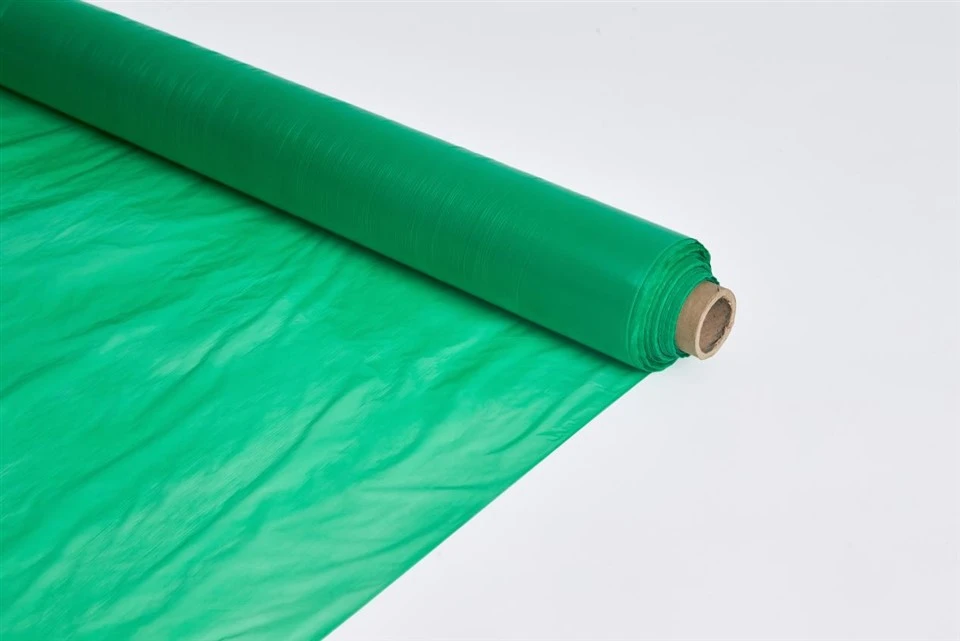
How To Select The Biodegradable Mulch Film
The most important thing is to ensure that the mulch film you select is biodegradable. Many traditional plastic mulches are not biodegradable, so many end up in landfills and the ocean. The best way to find out if it is biodegradable is to ask for information from the manufacturer or distributor of the product.
If you want to be sure that your mulch film will break down into organic matter, then you need to look for products made from natural materials such as cotton, jute or hemp. These natural materials are all 100% biodegradable and have been used in agriculture for many years.
It's also important to consider how easy it will be for you to work with this type of material when installing your mulch film. If you're looking for something that will be easy to install, then it would be best to choose one with a lower weight per square foot than those with a higher weight per square foot.
You'll also want to consider how much space you'll need when installing your mulch film so that you don't end up having too much left over after installation or too little left over after installation because there wasn't enough to cover the ground that you need to cover.
You'll also want to consider how easy it will be for you to work with this type of material when installing your mulch film. If you're looking for something that will be easy to install, then it would be best to choose one with a lower weight per square foot than those with a higher weight per square foot.
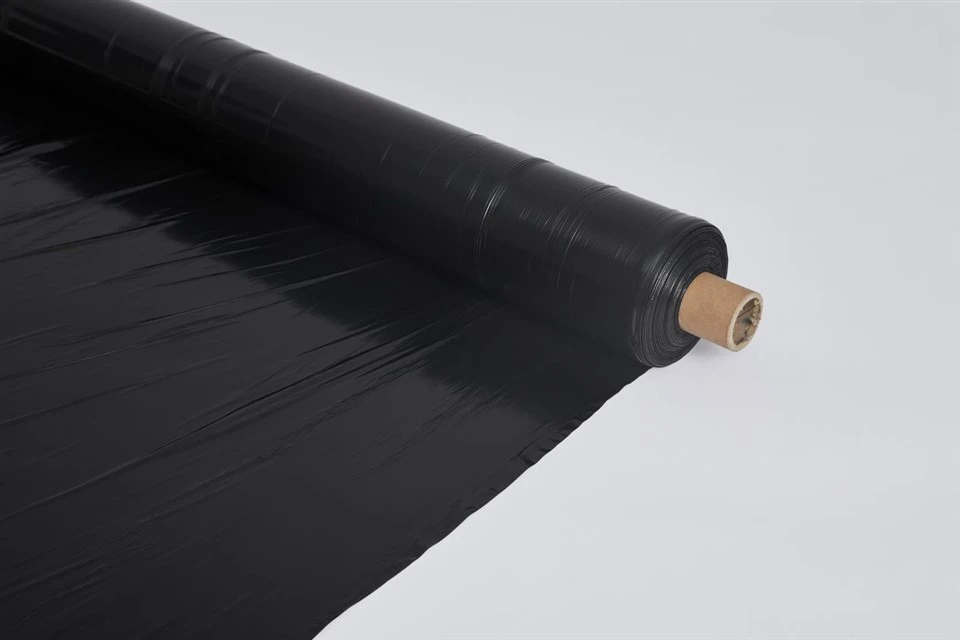
There are different thicknesses that can vary depending on the colors of mulch, the application stress and also the type of crop or duration on-field. Mulch films usually can range from 12 to 100 microns, 0.5 to 4 mils, and for example you can use films between 25 and 50 microns, 1 to 2 mils, on a melon crop, while you can use films between 50 and 60 microns, 2 to 2.4 mils, for strawberry production. Basically, the thickness chosen will depend on the time required by the crop cycle and the general environmental conditions (heat, radiation, soil structure, season).
The use of several types of mulching has multiple advantages and beyond increasing or decreasing soil temperature and making better use of water resources, they help reduce fungal diseases that may appear due to bacteria as well as their propagation through different vectors. The main reason being that they ensure a cleaner growth environment as the mulch controls soil moisture and avoids contact of the plants with the soil.
Mulch plastics are also essential to reduce soil compaction by allowing the roots of the plants to have a greater amount of oxygen, which helps increase microbial activity, and as a result the soil structure improves through a greater availability of nutrients.
Another advantage of plastic mulch is that it contributes to reduce the leaching or lixiviation of fertilizers due to the protection of the covers, avoiding their loss because of the rains or excessive evaporation. Damage caused by regular maintenance works around the crop resulting from the use of tools, other planting implements or workers is avoided.
Why Is Using Mulch Film in Agricultural Farming Beneficial
There are a lot of farming options available when it comes to controlling weeds in the fields. One of the most effective is the mulch film. It is a polyethene material, which is used to cover the surface of the soil. Mulching film is commonly used in agriculture to preserve moisture, boost soil temperature, and suppress weed growth.
Top Six Benefits of Using Mulch Film in Agriculture
Weed suppression
Mulch film eliminates sunlight and inhibits photosynthesis to prevent the growth of weeds. This in return improves crop productivity and quality as it reduces the competition for water, nutrients, and sunlight.
Regulation of soil temperature
Mulch films absorb and retain sun radiation to regulate the temperature of the soil. It can boost plant growth and crop maturity by keeping the soil warm.
Moisture conservation
Mulching films cut down the loss of water from the soil surface by lowering evaporation. This benefits the crops as it helps in conserving moisture and improving the accessibility of soil water. Moreover, less weed growth helps in reducing the need for water in the field, as weeds consume a lot of water.
Improved soil health
Mulch film maintains the structure of the soil, and reduces soil erosion and the risk of soil-borne pests and diseases, which improves the soil health. Overall, these films can provide a lot of agricultural benefits, while reducing the environmental impact of agricultural practices.
Better crop quality
The production of crops will be of better quality when mulch films are applied. This is because of the improved dirt control and protection of the seedlings. You can keep insects away by using special colour mulch films, like Silver and Black.
Scheduled plantation
You can use mulch films in agriculture to check on manor plantations and predict in advance the ranch production dates. Mulch film can boost the rate of harvest development, and that too, at a reduced expense. This also cuts down the use of resources, like water.
Manufacturing Biodegradable Plastic Mulch Film
Raw Material Selection
We carefully select biodegradable polymers that are derived from renewable resources.
Film Extrusion
The selected raw materials are processed through a film extrusion machine, where they are melted and formed into a thin, flexible film. This film is then cooled and solidified to obtain the desired thickness and strength.
Additives Incorporation
These additives may include UV stabilizers to protect against degradation from sunlight, as well as colorants for easy identification and differentiation.
Printing and Perforation
The mulch films can be customized with printing, allowing for branding, product information, or instructions to be displayed on the film. Perforation is also done to facilitate water and air permeability, promoting healthy plant growth.
How to Use Mulching Film
Mulching film is usually applied to the soil using a spinning device known as a mulch layer. The layer then spreads the film over the soil in a uniform manner. The field should be cleared by removing any existing weeds, rocks and debris from the area where you plan to lay the mulching film, this will avoid wear and tear of the film being applied. Once the film is applied, it should be anchored in place with stakes, rocks, soil or other fasteners. Depending on the size of the area, the film should be left in place for several months or up to a year. You can later cut holes in the film as per your plant size and needs. Make sure the holes are large enough to accomodate the maximum truck size of your plants.
How to Use Mulch Flim Detailed Steps and Precautions
Mulch flim is a commonly used covering material in agricultural production. It can play a role in heat preservation, moisture retention, and yield increase. However, if used improperly, it will also have a certain impact on agricultural production. Therefore, we need to pay attention to some things when using mulch.
1. The ground is flat
Before using mulch flim, the ground needs to be leveled. The flat ground can ensure tight coverage of mulch flim and avoid damage or failure of the mulch film due to uneven ground.
2. Mulch flim laying
Lay mulch flim on a flat ground, either by hand or by machine. Manual laying requires the cooperation of many people, and the laying is carried out in a certain direction and sequence to ensure tight coverage of mulch flim. Mechanical laying requires professional mechanical equipment, which can improve laying efficiency.
3. Mulch flim fixed
After the mulch flim is laid, it needs to be fixed to prevent the mulch flim from being blown away by the wind or damaged by animals. Special mulch flim fixing nails or other fixing materials can be used for fixation.
4.Mulch flim cutting
Where the crops are to be planted, the mulch flim needs to be cut so that the crops can be planted in the ground. When cutting, you need to be careful not to make the incision too large, otherwise it will affect the thermal insulation and moisturizing effects of mulch flim.
1. Mulch Flim’s choice
When choosing mulch flim, you need to choose according to different crops and different production environments. Generally speaking, the thicker the mulch flim, the better the thermal insulation and moisturizing effect, but the price is also relatively high.
2. Maintenance of mulch flim
During the use of mulch flim, regular inspection and maintenance are required. If you find that the mulch flim is damaged or aged, it needs to be replaced in time. At the same time, you also need to pay attention to the cleaning of mulch flim to avoid leaving debris on the mulch flim.
3. Recycling of mulch flim
After mulch flim is used, it needs to be recycled. The recycled mulch flim can be reused or environmentally friendly. When recycling mulch flim, care needs to be taken to avoid environmental pollution.
FAQ
Q: What is film mulching?
Q: How long does mulch film last?
Q: What material is used for mulch film?
Q: How thick is a mulching film?
Q: What are the benefits of mulch film?
Q: How do you use mulch film?
Q: How often should you mulch?
Q: Is mulch film waterproof?
Q: Is mulch film biodegradable?
Q: How many inches of mulch is best?
Q: How deep do you need mulch?
Q: What is black mulch film?
Q: When should you use mulch?
Q: What is biodegradable mulch film?
Q: How do you make the best mulch?
Q: Does mulch turn into soil?
Q: What are the benefits of mulching?
Q: What does mulching prevent?
Q: What are the advantages of black plastic mulch?
Q: Is mulching environmentally friendly?
We're well-known as one of the leading mulch flim suppliers in China, specialized in providing high quality customized service. Please feel free to wholesale high-grade mulch flim made in China here from our factory.
Geomembrane Lldpe, Drip Plastic Film, Black Plastic Film