


Company Profile
We are an established manufacturer of agricultural film in China with over 30 years of experience in the industry. Our mission is to empower farmers globally with advanced and innovative solutions that help them achieve better crop yields while promoting environmental sustainability. At our state-of-the-art production facility, we use the latest technology and quality materials to manufacture a wide range of agricultural films, including greenhouse films, silage films, mulch films, and more. Our films are designed to resist harsh weather conditions, enhance crop growth, and protect against pests and diseases.
Why Choose Us
High quality
Our products are manufactured or executed to a very high standard, using the finest materials and manufacturing processes.
Advanced equipment
A machine, tool or instrument designed with advanced technology and functionality to perform highly specific tasks with greater precision, efficiency and reliability.
Professional team
Our professional team collaborates and communicates effectively with each other, and is dedicated to delivering high quality results. We are capable of handling complex challenges and projects that require our specialized expertise and experience.
Quality control
We have built a professional quality control team to accurately inspect every raw material and every production process.
Customized services
We understand that each customer has unique manufacturing needs. That's why we offer customization options to cater to your specific requirements.
24H online service
We try and respond to all concerns within 24 hours and our teams are always at your disposal in case of any emergencies.
Related Product
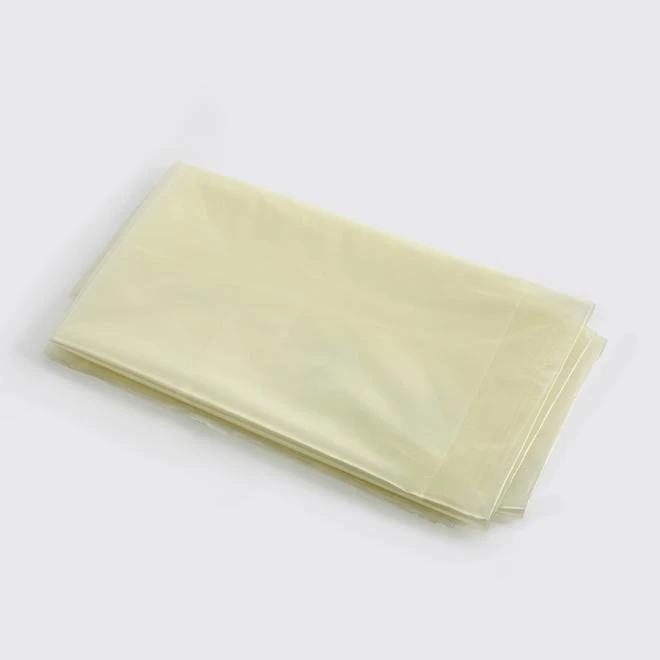
5 Years UV Protection Agricultural Film For Flower Planting
5 Years UV Protection Agricultural Film for Flower Planting is a advanced technology that has revolutionized the way farmers and gardeners grow their plants. This film is specifically designed to protect flowers from the harmful effects of UV rays, ensuring healthy and vibrant growth.
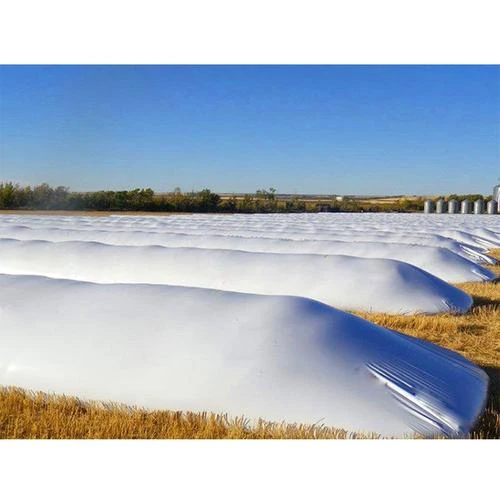
Silo bags are an innovative agricultural storage solution that provides farmers and producers with a cost-effective way to store and protect their crops. These bags are made of high-quality, durable plastic materials that are designed to withstand the elements and protect the contents inside from moisture, pests, and other environmental factors.
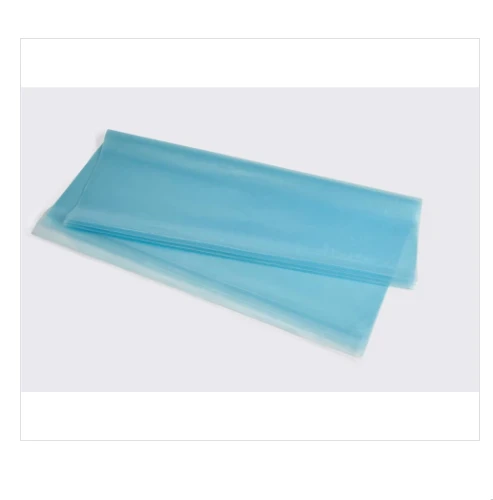
EVA greenhouse film has a special process, high transparency, good adhesion, high reflectivity, conducive to crop photosynthesis, improve microbial activity, increase the temperature, prevent soil erosion, durability, easy to store, the fruit color is uniformly brilliant, good quality.

Black And White Alternating Plastic Film
Regulate low temperature, improve the utilization rate of water and fertilizer, inhibit weeds, increase the photosynthesis of crops, crop color bright, reflective good, uniform thickness, accurate width, product tension anti-aging performance in Black and white alternating plastic film.

Fertilizer retention capacity, good water retention capacity, inhibit weed growth, protect soil fertility, improve soil temperature, improve crop yield, increase crop efficiency, bright color, high quality, good tensile strength, strong anti-aging properties of black plastic film.

High light transmittance, fast temperature opening, increased crop yields, improved yields, improved quality, soil and water retention, weed suppression, prevention of pests and diseases, drought and flood control, inhibition of salinization, protection of seedlings, good thermal insulation performance of drip plastic film.

EVA Agricultural Film Series Products
Special process, excellent human tensile properties, high softness, strong low temperature resistance, maintain temperature, maintain soil and water, good de-fogging effect, high strength, anti-aging properties, long service life of EVA agricultural film.
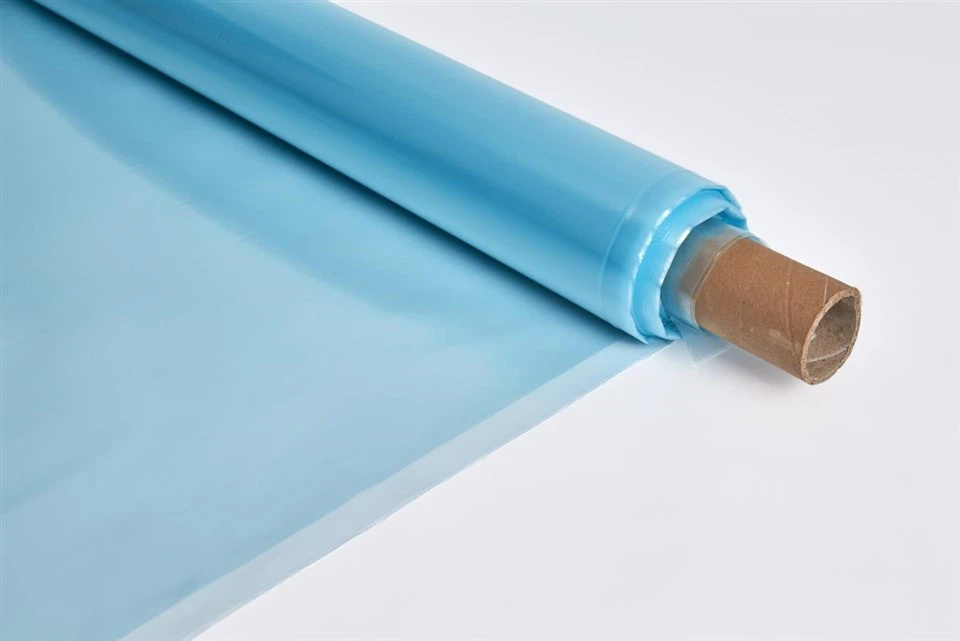
Fine Long-Life Flow Drop Reducing Film And Long-Life Flow Drop Film Series
Long service life, long drip duration, temperature retention, strong tensile strength, excellent optical properties, good mechanical properties, good low-temperature resistance, high quality, precision design, improve yield and quality, widely used in agricultural shed film covering agricultural plastic mulch
What Is Drip Plastic Film
There are countless benefits when it comes to why drip plastic film is important in the garden area. Not only is it better for the vegetable plants in the garden, but it will conserve water, reduce disease and pest pressures, and improve plant growth.This specialized plastic film is designed to provide precise and efficient water distribution, promoting water conservation, improving crop yield, and reducing water wastage in agriculture.
Advantages of Drip Plastic Film
Reduction in the leaching of fertilizer
The use of drip plastic film in conjunction with plastic mulch allows one to reduce leaching of fertilizers. Drip irrigation eliminates the use of flood and furrow irrigation that applies large quantities of water to the soil which in turn tends to leach nitrogen and other nutrients to depths below the root zone.
Weed management
Drip plastic film prevent sunlight from reaching the soil which can inhibit most annual and perennial weeds. Clear plastics prevent weed growth. Holes in the mulch for plants tend to be the only pathway for weeds to grow.
Soil moisture retention
Drip plastic film reduce the amount of water lost from the soil due to evaporation. This means less water will be needed for irrigation and that's why drip irrigation is preferred.
Soil temperature
The use of drip plastic film alters soil temperature. Drip plastic film and clear mulches applied to the soil intercept sunlight warming the soil allowing earlier planting as well as encouraging faster growth early in the growing season.
Drip plastic film combined with film mulching is important and effective to increase water use efficiency and potato yield. Film mulch is commonly used worldwide to improve field hydrothermal environment. Further, it improves the radiative microclimate which maintains moisture through soil surface evaporation reduction and increases soil temperature. Film mulch can control microbial activity, accelerate plant growth, and improve yield and water use efficiency by regulating field hydrothermal conditions. However, these positive effects are accompanied with some potential negative effects such as decreasing soil organic matter content and resulting in soil pollution because of non-degradable plastic film. The influences of the plastic mulch on the heat transport process and plant growth depend on the film optical properties, the gap distance between film and underlying soil, and climatic environment. Transparent and black films, most commonly used in agriculture, affect the thermal environment and crop growth differently. Transparent film, effective for soil solarization, can produce higher soil temperature than black film. However, black film can also produce higher soil temperature because of the contact degree between the film and underlying soil which affects the soil temperature. The transparent film can be better or worse than the black film for increasing plant yield because of different climatic environments. Potatoes are a shallow-rooted crop and are sensitive to heat stress. Therefore, transparent and black films affect heat transfer and drip irrigated potato growth in different areas, which remains a problem. The purpose was to determine: how the transparent and black films affect heat transfer (soil temperature, soil heat flux, and canopy net radiation) in potato field in these two areas; influences of transparent and black films on potato development, yield, and irrigation water use efficiency; and whether and which film mulch should be applied in drip plastic film irrigated potato cultivation in these two areas.
Drip plastic film is an important agricultural practice used to conserve soil water and produce higher crop yields worldwide. However, the plastic film is usually made from non-degradable polyethylene materials, which may lead to the incorporation of plastic into soils and cause a series of negative environmental effects. As such, biodegradable film mulching (BM) can represent a valuable alternative to PM. A two-year experiment was carried out during seasons to evaluate the effects of PM, BM, and no film mulching (NM) on the soil water balance in the corn field. Respectively, under BM, PM, and NM and then used to evaluate soil water contents (SWC), water fluxes, and soil water balances in two-dimensional soil profiles. The results of numerical simulations were in good agreement with measurements, with the mean relative errors for the calibration and validation periods, respectively.Significant differences in SWCs were observed only after the average fraction of the disintegrated area of the biodegradable film was equal or higher than about 40% (during the late crop growth period). The results also showed that mulching mainly affects SWCs in the top 0–20 cm soil layer. There were significant differences in cumulative evaporation and water fluxes between different treatments, but an insignificant difference in root water uptake between PM and BM. Corresponding cumulative water fluxes at the 80 cm depth increased and decreased by 6.6% and 48.8%, respectively. Two-dimensional simulations of soil water content distributions revealed that the "water stress" area in the soil profile (with SWCs lower than readily available water) before irrigation was 1.79 and 0.75 times larger for BM than for PM and NM, respectively.
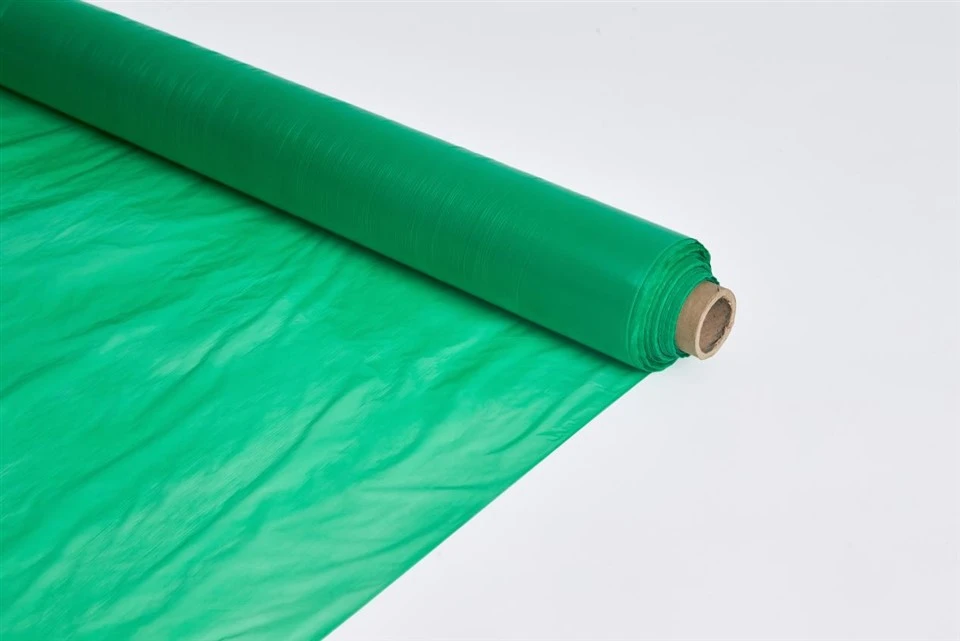
Drip plastic film mulching can reduce soil evaporation by cutting off the vapor transport path between the soil surface and the atmosphere. It has significant advantages compared to no mulching (NM), such as decreasing weed growth, conserving soil moisture , stabilizing the daily range of soil temperatures, increasing the water use efficiency, and improving crop yields. As a result, plastic films are widely used in crop production systems due to their agronomic benefits. However, since plastic films made of non-degradable polyethylene materials are very hard to degrade in soil , their use likely leads to a gradual increase of plastic fragments in soil, causing a series of negative environmental effects. These include lower soil porosity and air circulation, which affects soil water movement and solute transport, as well as reduced crop root growth, the release of phthalate acid esters and other toxins and lower crop yields. A promising alternative is biodegradable film, mostly made of polysaccharides such as cellulose and starch, which can be directly degraded to CO2 and H2O and that can retain the advantages and overcome the shortcomings of plastic films. It reported that 200 days after the incorporation of a biodegradable film into the soil, the concentration of its residues was very small, similarly as associated environmental effects.
Drip Plastic Film Takes You to Understand the Advancement of Drip Irrigation Technology
On the other hand, drip irrigation is the most water-saving irrigation technology in the world. The development of drip irrigation in the Hetao irrigation district can significantly improve the utilization rate of field water, reduce ineffective evaporation and deep leakage, and enhance the level of irrigation management. Plenty of studies have discussed soil water and salt movement rules, water requirements, planting modes of crops, and reasonable arrangements of capillary tubes under drip irrigation. However, the crop coefficient under drip irrigation needs to be further studied, especially in the shallow groundwater regions. The district is a typical arid area with shallow groundwater, of which the irrigation water is supplied by the Yellow River. Irrigation and groundwater contribution are very important components for determining a reasonable irrigation schedule. Precipitation frequency will affect irrigation and groundwater directly, and drip irrigation is widely adopted as a water-saving irrigation measure in the Hetao irrigation district. The reference crop evapotranspiration is less affected by rainfall, but the actual crop evapotranspiration is obviously affected by rainfall through the water balance method. The crop coefficient is obtained by dividing actual crop evapotranspiration by reference crop evapotranspiration. Then, the crop coefficient will be influenced by rainfall in different hydrological years. Based on the field experiments of typical crops under the condition of a water-saving irrigation system in the Hetao irrigation district, the main objectives of this paper are as follows to calculate the groundwater recharge to soil water in different hydrological years under drip irrigation to obtain the crop evapotranspiration and field water balance in different hydrological years under drip irrigation to determine the crop coefficient of sunflower in different hydrological years under drip irrigation. The research will provide a theoretical basis for formulating a reasonable water-saving schedule in shallow groundwater regions, increasing water use efficiency, and improving the field water environment.
Make good plant beds or ridges so that the drip plastic filmcan be installed on them. Install drip irrigation on the beds. Drip plastic film is best used with plastic mulch when the drip tapes are placed under the plastic mulch. This will ensure that the plants get sufficient water. You must ensure that you check the drip emitters always to know that they are emitting water well. Lay the plastic mulch. After you have installed the drip plastic film, you can then lay the plastic mulch on the drip irrigation tapes. Drip plastic film is very reliable in production of quality crops. Plastic mulches on the other hand keep ripening fruits off of the soil. This reduced contact with the soil decreases fruit rot as well as keeps the fruit and vegetables clean. This is beneficial for the production of strawberries. The plastic mulch covering the soil decreases the crusting effect of rain and sunlight. The reduction in weed quantity means a decreased need for mechanical cultivation. Weed control between beds of plastic can be done using directly applied herbicides and through mechanical means. The soil underneath the plastic mulch stays loose and well aerated. This increases the amount of oxygen in the soil and aids in microbial activity. The use of plastic mulch creates a practically weed free area around the plant, removing the need for cultivation except between the rows of plastic. Root damage associated with cultivation is therefore eliminated. Due to these factors, the use of plastic mulch can lead to an improvement in the overall growth of the plant. Also the use of drip plastic film is very beneficial because it prevents soil erosion there by bringing about healthy roots.
The Combination of Drip Plastic Film and Drip Irrigation Technology
Drip plastic film, a new crop management technique which combines plastic film mulching and drip irrigation, has been widely practiced in arid areas to save water. While this management enhances crop yield and respiration, the consequences for the net ecosystem carbon budget of fields remain poorly unknown. Tillage increased C loss through increasing respiration while straw return decreased C loss through decreasing output. In addition to straw return, organic fertilizer and less tillage, recovery should be applied in the management practices to counteract loss in the system.In solar greenhouses, drip plastic film is increasingly used as a water-saving and moisture-containing irrigation technology, especially in arid areas. Different drip plastic film covering methods, drip plastic film capillary density and irrigation amount form different spatio-temporal distribution states of field soil water, air, heat, etc., which in turn affect and restrict the production and activity of soil urease. The metabolic process of related nutrients, as well as the growth, development and yield of crops. At present, research on soil urease is mostly focused on forestland, wetland and field soil. In terms of soil urease research on agricultural land, more attention is paid to nitrogen fertilizer application, moisture etc. on urease, as well as the connection between urease and other soil nutrients. There are few studies on changes in soil water, heat and other conditions in solar greenhouses and changes in soil urease activity. The space of solar greenhouses is relatively closed, and soil water, The heat transfer conditions are significantly different from field soil. It studied the effects of soil water, heat and other environmental factors on soil urease activity under different film-covered drip irrigation conditions in the solar greenhouse, and applied film-covered drip irrigation technology to the solar greenhouse to improve soil and water quality. Utilization efficiency and provide reference for promoting agricultural production.A new crop management technique which combines plastic film mulching and drip irrigation, has been widely practiced in arid areas to save water. While this management enhances crop yield and respiration, the consequences for the net ecosystem carbon budget of fields remain poorly unknown. Tillage increased C loss through increasing respiration while straw return decreased C loss through decreasing C output. In addition to straw return, organic fertilizer and less tillage, recovery should be applied in the management practices to counteract C loss in the system.In solar greenhouses, drip plastic film is increasingly used as a water-saving and moisture-containing irrigation technology, especially in arid areas. Different drip plastic film covering methods, drip plastic film capillary density and irrigation amount form different spatio-temporal distribution states of field soil water, air, heat, which in turn affect and restrict the production and activity of soil urease. The metabolic process of related nutrients, as well as the growth, development and yield of crops. At present, research on soil urease is mostly focused on forestland, wetland and field soil. In terms of soil urease research on agricultural land, more attention is paid to nitrogen fertilizer application, moisture etc. on urease, as well as the connection between urease and other soil nutrients. There are few studies on changes in soil water, heat and other conditions in solar greenhouses and changes in soil urease activity. The space of solar greenhouses is relatively closed, and soil water, The heat transfer conditions are significantly different from field soil. It studied the effects of soil water, heat and other environmental factors on soil urease activity under different film-covered drip irrigation conditions in the solar greenhouse, and applied film-covered drip irrigation technology to the solar greenhouse to improve soil and water quality. Utilization efficiency and provide reference for promoting agricultural production.
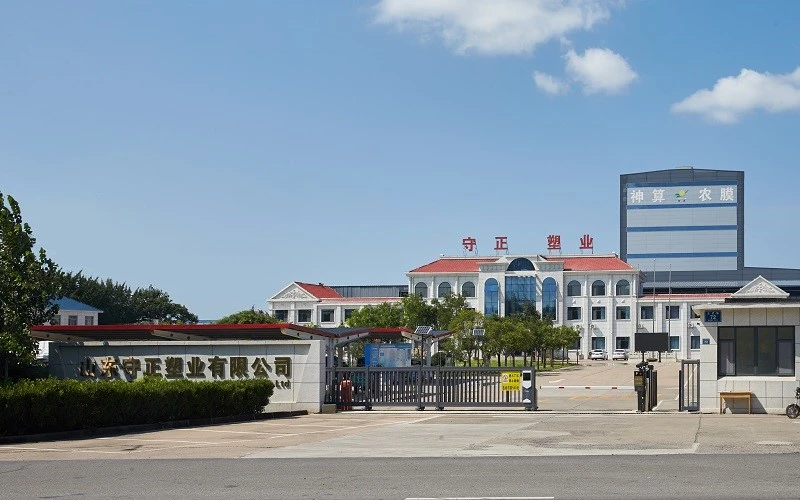
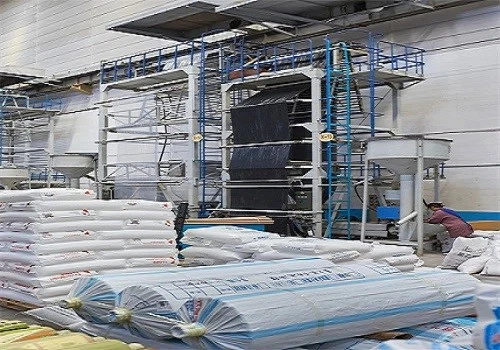
Our Factory
We are an established manufacturer of agricultural film in China with over 30 years of experience in the industry. Our mission is to empower farmers globally with advanced and innovative solutions that help them achieve better crop yields while promoting environmental sustainability. At our state-of-the-art production facility, we use the latest technology and quality materials to manufacture a wide range of agricultural films, including greenhouse films, silage films, mulch films, and more. Our films are designed to resist harsh weather conditions, enhance crop growth, and protect against pests and diseases.


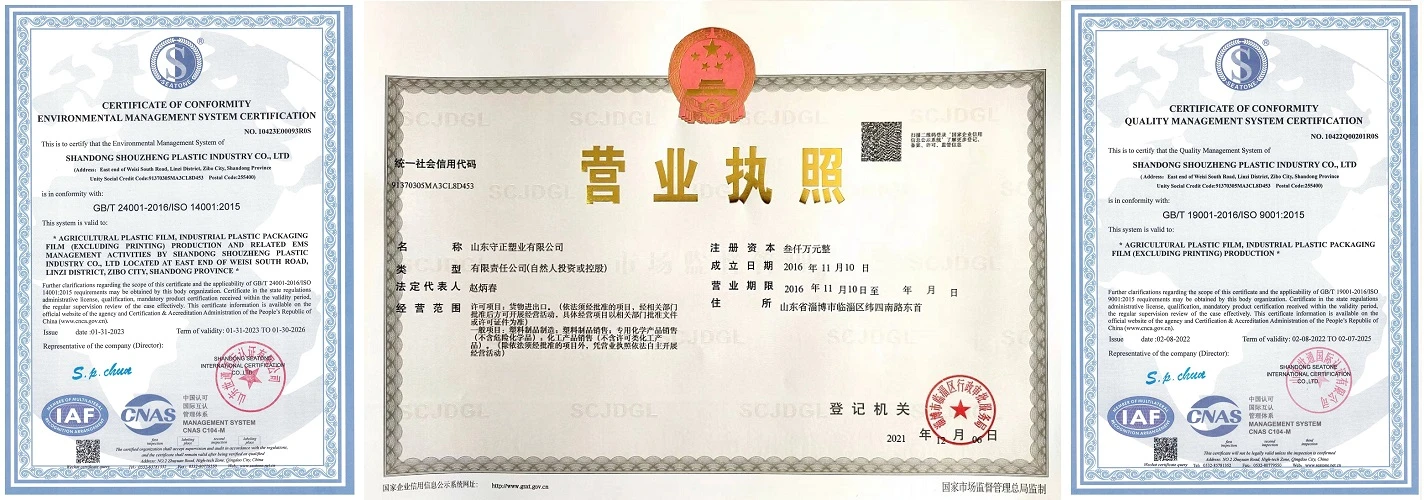
Our certificate
FAQ
Hot Tags: drip plastic film, China drip plastic film suppliers, factory, Perforated Mulch, Special Film for Animal Husbandry, Black and White Alternating Plastic Film, Fine Long life Flow Drop Reducing Film and Long life Flow Drop Film Series, Degradable Mulch, PO Agriculture Greenhouse Plastic Film