

Company Profile
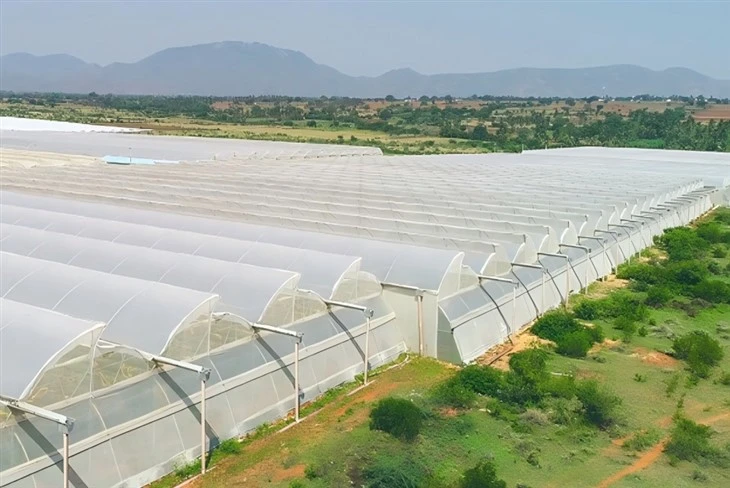
We are an established manufacturer of agricultural film in China with over 30 years of experience in the industry. Our mission is to empower farmers globally with advanced and innovative solutions that help them achieve better crop yields while promoting environmental sustainability. At our state-of-the-art production facility, we use the latest technology and quality materials to manufacture a wide range of agricultural films, including greenhouse films, silage films, mulch films, and more. Our films are designed to resist harsh weather conditions, enhance crop growth, and protect against pests and diseases.
Why Choose Us
High quality
Our products are manufactured or executed to a very high standard, using the finest materials and manufacturing processes.
Advanced equipment
A machine, tool or instrument designed with advanced technology and functionality to perform highly specific tasks with greater precision, efficiency and reliability.
Professional team
Our professional team collaborates and communicates effectively with each other, and is dedicated to delivering high quality results. We are capable of handling complex challenges and projects that require our specialized expertise and experience.
Quality control
We have built a professional quality control team to accurately inspect every raw material and every production process.
Customized services
We understand that each customer has unique manufacturing needs. That's why we offer customization options to cater to your specific requirements.
24H online service
We try and respond to all concerns within 24 hours and our teams are always at your disposal in case of any emergencies.
Related Product
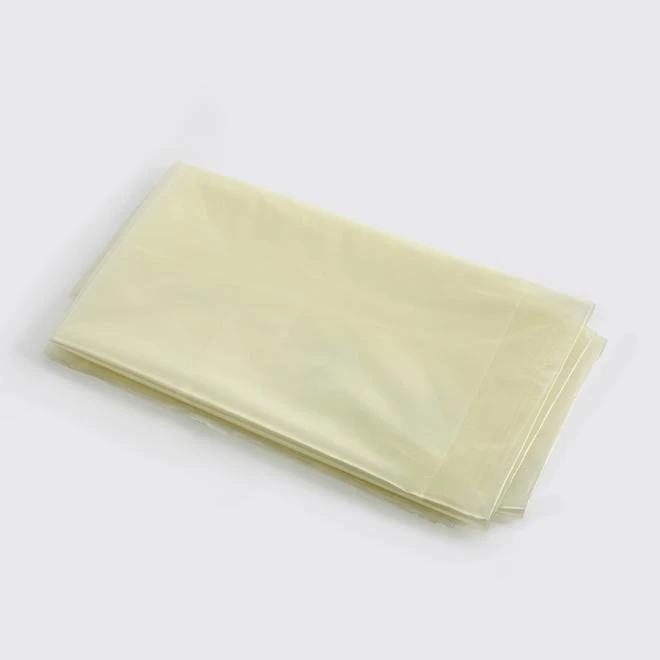
5 Years UV Protection Agricultural Film For Flower Planting
5 Years UV Protection Agricultural Film for Flower Planting is a advanced technology that has revolutionized the way farmers and gardeners grow their plants. This film is specifically designed to protect flowers from the harmful effects of UV rays, ensuring healthy and vibrant growth.
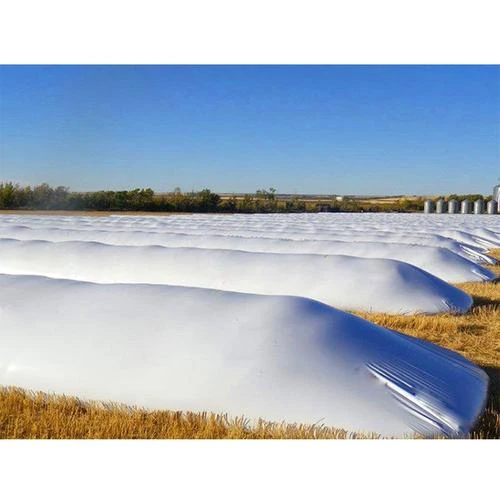
Silo bags are an innovative agricultural storage solution that provides farmers and producers with a cost-effective way to store and protect their crops. These bags are made of high-quality, durable plastic materials that are designed to withstand the elements and protect the contents inside from moisture, pests, and other environmental factors.
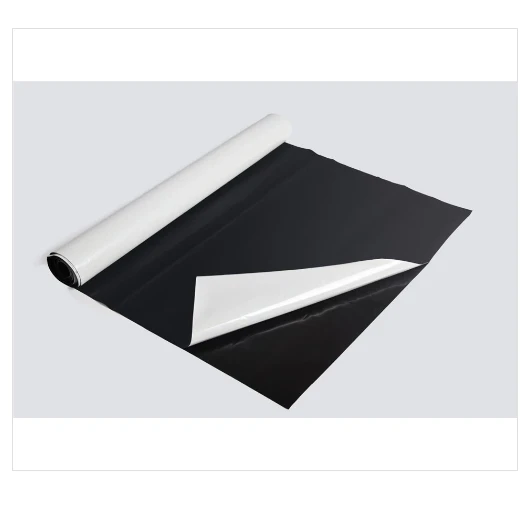
Black And White Alternating Plastic Film
Regulate low temperature, improve the utilization rate of water and fertilizer, inhibit weeds, increase the photosynthesis of crops, crop color bright, reflective good, uniform thickness, accurate width, product tension anti-aging performance in Black and white alternating plastic film.

Fertilizer retention capacity, good water retention capacity, inhibit weed growth, protect soil fertility, improve soil temperature, improve crop yield, increase crop efficiency, bright color, high quality, good tensile strength, strong anti-aging properties of black plastic film.

High light transmittance, fast temperature opening, increased crop yields, improved yields, improved quality, soil and water retention, weed suppression, prevention of pests and diseases, drought and flood control, inhibition of salinization, protection of seedlings, good thermal insulation performance of drip plastic film.

EVA Agricultural Film Series Products
Special process, excellent human tensile properties, high softness, strong low temperature resistance, maintain temperature, maintain soil and water, good de-fogging effect, high strength, anti-aging properties, long service life of EVA agricultural film.

EVA greenhouse film has a special process, high transparency, good adhesion, high reflectivity, conducive to crop photosynthesis, improve microbial activity, increase the temperature, prevent soil erosion, durability, easy to store, the fruit color is uniformly brilliant, good quality.
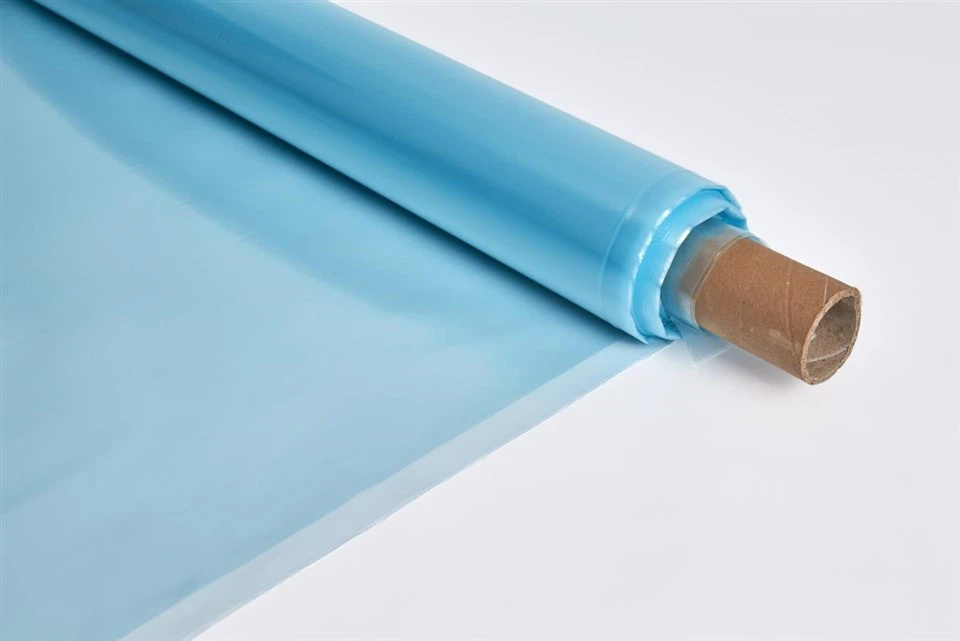
Fine Long-Life Flow Drop Reducing Film And Long-Life Flow Drop Film Series
Long service life, long drip duration, temperature retention, strong tensile strength, excellent optical properties, good mechanical properties, good low-temperature resistance, high quality, precision design, improve yield and quality, widely used in agricultural shed film covering agricultural plastic mulch
What Is Longevity Agricultural Film
Longevity agricultural films are stretchable plastics that protect plants in the open air and in greenhouses. These films increase crop productivity. The performance and service life of these plastic films are improved through the addition of various additives such as UV light, heat stabilizers and anti-fogging agents. Rising demand for food has led to a surge in the use of high-efficiency plastic films in agriculture. These films can be used in tunnels, greenhouses, irrigation systems, mulch and silage. They provide shade to the interior of the greenhouse, reducing the impact of hail. Growth in the agricultural sector is expected to increase the demand for longevity agricultural films over the forecast period of the agricultural films market.
Advantages of Longevity Agricultural Film
Improve soil structure
Using longevity agricultural film prevents the soil from clumping into a compacted mess. It also traps moisture and heat, preventing the loss of plant nutrients. Additionally, the plastic film also prevents animals from walking into the area, further enhancing the structure of the soil.
Insulate the soil
Most crops such as vegetables are temperature sensitive and cannot stand extreme cold weather. Hence, the mulch is used to help the soil retain heat during the winter season.
Effective weed control
Regularly getting rid of the weeds is an essential and exhausting task. Plastic mulch effectively curbs weed growth, and it does so in a large expanse of space.
Earlier crop growth
Using longevity agricultural film helps in the early growth of crops as it warms up the soil. The farmers can plant crops of the warm-season up to three weeks earlier than their growing season.
Longevity agricultural film are plastic films that are specifically designed for use in agricultural applications. They are used to protect the soil, cover crops, and lessen the impacts of weathering. The films are also used to maintain crops in good condition while they are stored and transported. They can also be used to control weeds and pests and to prevent soil erosion. Polyethylene, polyvinyl chloride (PVC), and polypropylene are the most common materials used to make longevity agricultural film. They come in a range of thicknesses and can be used for both short- and long-term purposes. The market is projected to grow because of the focus on agricultural crop yield. With the purpose of meeting the growing demand for agricultural products, it is necessary to implement technologies such as greenhouse films, mulch films, and silage films, and to apply controlled agriculture. Therefore, the need to increase agricultural production is a crucial driving factor behind the demand for agricultural crop yield. Longevity agricultural film has been the agricultural film market's most popular application. Longevity agricultural film are used to cover the soil surrounding plants in order to inhibit weed growth, conserve moisture, and maintain soil temperature, resulting in higher agricultural output. Longevity agricultural film also serve to reduce the usage of pesticides, herbicides, and fertilizers, supporting environmentally friendly farming practices. The increasing worldwide population has led to the adoption of contemporary farming practices, which has resulted in an increase in demand for agricultural films, notably mulch films. Greenhouse films, silage films, and stretch films for wrapping hay and straw bales are some further uses for agricultural films.
The Development Potential of Longevity Agricultural Film
The sustainability of plastic used in the agriculture industry is analyzed from the perspective of life cycle assessment, that is, the ecological impact of farm film materials/carbon footprint on the production phases and recycling/degradation of properties of plastic in the farm environment. Various studies on the sustainability of longevity agricultural film proved that the adoption of biodegradable plastics in agricultural production is a practical solution. Apart from the low carbon footprint, biodegradable longevity agricultural films are also useful because the surface properties can be customized to have anti-bacterial/anti-microbial properties. Additionally, the mechanical, radiometric, thermal, and optical properties of the material can be tuned according to the biodegradable materials. Longevity agricultural films are used to protect crops and plants in open fields or greenhouses throughout their life cycle. They reduce the crop spoilage risk associated with weather, pests, and weeds, and help in improving the overall crop quality. A wide range of additives, such as agrochemical resistance, UV absorber, and anti-fogging agent, have been used to improve the lifespan and effectiveness of the longevity agricultural film. The development of advanced longevity agricultural film with technologies such as UV-blocking, nanotechnology, and ultra-thermic films has increased the demand for agricultural films across global countries.
Introduction to Market Development Trends of Longevity Agricultural Film
The increasing adoption of protected cultivation practices, the focus on enhancing agricultural output, the adoption of longevity agricultural film, and the escalating demand for biodegradable films are driving the agricultural film market. The rising global population and declining arable land are raising food security concerns worldwide, bolstering the demand for agricultural films to improve longevity agricultural film productivity. Longevity agricultural films help in soil protection, greenhouse farming, and mulching. They also provide the benefits of reduced soil erosion and compaction, temperature control, nutrient conservation, seed germination, weed control, and UV protection. As environmental concerns continue to rise, the demand for biodegradable agricultural films is poised to grow in the foreseeable future. These eco-friendly alternatives play a vital role in weed suppression, temperature regulation, soil nutrient and moisture preservation, and enhancing plant stability. Due to the growing global population and increasing food security concerns, protected agriculture is gaining immense traction as it helps extend the growing season of crops and produce higher yields. This, in turn, drives the demand for agricultural plastics for securing and significantly increasing produced output per hectare while enhancing crop quality. These films also aid in reducing the crop spoilage risk associated with weather, pests, and weeds and improving the overall crop quality, particularly in greenhouses, throughout their life cycle. Moreover, polyethylene is a widely used material for agricultural films to protect crops and improve crop yield in greenhouses and tunnels.
Choosing the Right Longevity Agricultural Film and Quantity Needed
Longevity agricultural film encompass mulch, solarization, fumigation barrier and crop protection films made either from polyethylene (PE) or biodegradable materials. They are either slick, with a smooth surface, or embossed with a diamond-shaped pattern on the surface.The color of longevity agricultural films affects light transmission and reflection, hence soil temperature and weed infestation. Commercially used films are either uncolored (clear), black, white-on-black and "silver", which is not actually silver colored but a black or white film with a thin metallic coating (metalized) on one side. Plastic mulches for growing vegetables range in thickness (gauge) from 0.6 to 2.0 mils. For the use in orchards, groves and greenhouses they range from 3.0 to 6.0 mils. Plastic mulch is packaged in 2,400 to 8,000 foot long rolls (depending on the film thickness) and are 3 to 8 feet wide. Traditionally, farmers refer to linear feet or number of rolls when referring to the amount of mulch needed per acre. In reality, depending on the film width and the row spacing, distance between mulch covered rows, amounts vary from 0.75 to 1 acre of film per acre of land. Cost per acre of film depends on its weight, which mostly depends on its thickness.
Product rolls not being used should always be stored in the original packaging, away from moisture, direct light and heat sources and stored in a cold, dry place on a smooth surface. To avoid physical damage that may impact the laying and performance in the field, rolls should be kept in a horizontal position to avoid crushing and deformations caused by stacking. Rolls must be transported with care. Accidental tears or deformations, due to incorrect storage or transportation may reduce the film's performance in the field. For best performance, do not install any damaged parts of film. For optimum results the soil must be loose and friable prior to laying of the mulch. Stones, clods, undecomposed plant residues, and other objects that can puncture the mulch should be removed. Fumigants can be injected below the soil surface through either tractor-mounted shanks or though drip tape to control weeds and pests in the soil. Special fumigation barrier films are required to hold fumigants in the soil at the doses needed for control and to reduce the loss of fumigant emission to the atmosphere.
Precautions for Using Longevity Agricultural Film
All longevity agricultural films can be laid using conventional plastic mulch laying equipment; however tension needs to be adjusted properly to reduce the likelihood of tearing. The longevity agricultural film must be laid in continuous and tight contact with the soil and its edges secured with a generous amount of soil to avoid "whipping" in the wind. Whipping causes tearing of the longevity agricultural film and abrasion on the stems of seedlings transplanted, leading to plant death. Film should be laid without pockets or depressions, allowing water to run off quickly. Water collected in depressions will reduce the lifespan of the film. Do not install film on beds containing objects that could puncture the film or within a day immediately after bed top fertilization! Reduce likelihood of unintended tearing by avoiding excessive tension during installation. Use sharp tools to make small seedling holes with well-maintained, clean edges to maximize ground coverage and reduce possible breakage of the film. Dull tools increase the likelihood of rupturing film punch holes and reduce film life. Seedlings should be transplanted immediately after perforation. The film integrity depends on the interaction of a range of physical and environmental factors present in the field. This includes, but is not limited to, installation quality, surrounding acidic and alkaline materials, film thickness, soil moisture, heat, light, agrochemicals used and in the case of compostable films, microbial activity. Agrochemicals are any chemical used in agriculture, including fertilizers, liming and acidifying agents for adjusting soil pH, soil conditioners, pesticides, plant growth accelerators and adjuvants used in pesticide formulations themselves or added to tank mixture spray solutions. Crops grown on film can be treated with approved pest control, soil fumigants and nutritional products when used in accordance with those products' labels; however, the type and quantity of those agrochemicals used can negatively affect performance and lifespan of the film. Do not use strong acid or alkaline formulations of agrochemicals or supplemental products containing certain transition metals, such as iron, nickel, cobalt and manganese, because they will reduce the film performance and lifespan dramatically. Do not use any Imaflex agricultural films for more than one crop growing season, except if it is specifically indicated in the product description.
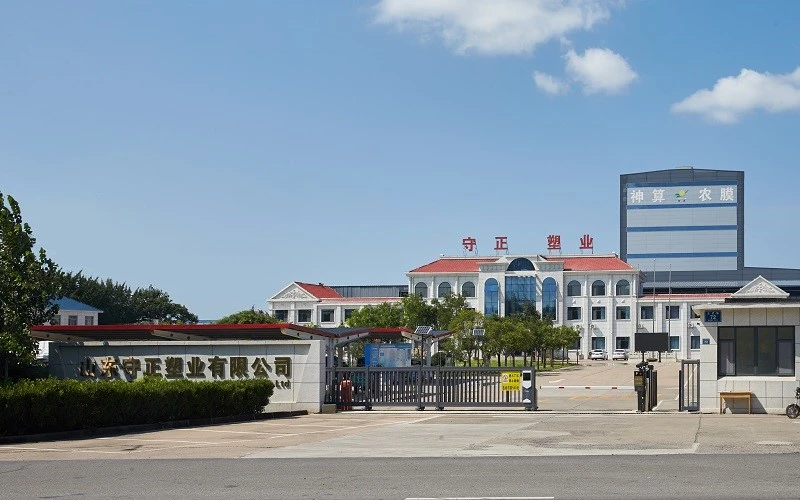
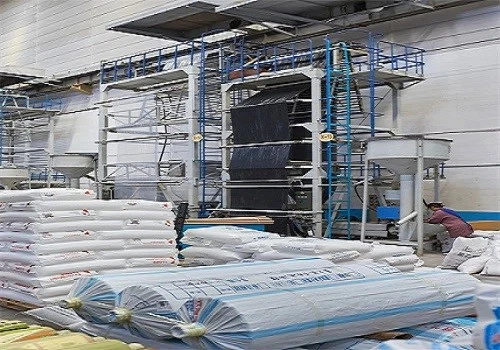
Our Factory
We are an established manufacturer of agricultural film in China with over 30 years of experience in the industry. Our mission is to empower farmers globally with advanced and innovative solutions that help them achieve better crop yields while promoting environmental sustainability. At our state-of-the-art production facility, we use the latest technology and quality materials to manufacture a wide range of agricultural films, including greenhouse films, silage films, mulch films, and more. Our films are designed to resist harsh weather conditions, enhance crop growth, and protect against pests and diseases.


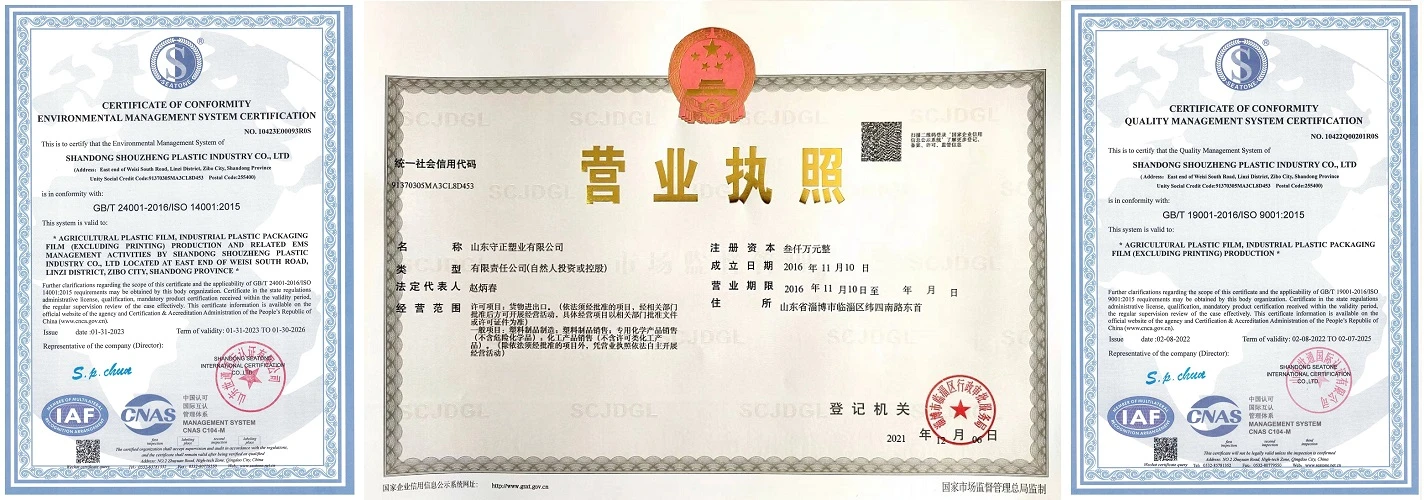
Our certificate
FAQ
Hot Tags: longevity agricultural film, China longevity agricultural film suppliers, factory, EVA Greenhouse Film, EVA Agricultural Film Series Products, Black Plastic Film, PO Agricultural Film, PO Agriculture Greenhouse Plastic Film, Agricultural Film