

Company Profile
We are an established manufacturer of agricultural film in China with over 30 years of experience in the industry. Our mission is to empower farmers globally with advanced and innovative solutions that help them achieve better crop yields while promoting environmental sustainability. At our state-of-the-art production facility, we use the latest technology and quality materials to manufacture a wide range of agricultural films, including greenhouse films, silage films, mulch films, and more. Our films are designed to resist harsh weather conditions, enhance crop growth, and protect against pests and diseases.
Why Choose Us
High quality
Our products are manufactured or executed to a very high standard, using the finest materials and manufacturing processes.
Advanced equipment
A machine, tool or instrument designed with advanced technology and functionality to perform highly specific tasks with greater precision, efficiency and reliability.
Professional team
Our professional team collaborates and communicates effectively with each other, and is dedicated to delivering high quality results. We are capable of handling complex challenges and projects that require our specialized expertise and experience.
Quality control
We have built a professional quality control team to accurately inspect every raw material and every production process.
Customized services
We understand that each customer has unique manufacturing needs. That's why we offer customization options to cater to your specific requirements.
24H online service
We try and respond to all concerns within 24 hours and our teams are always at your disposal in case of any emergencies.
Related Product
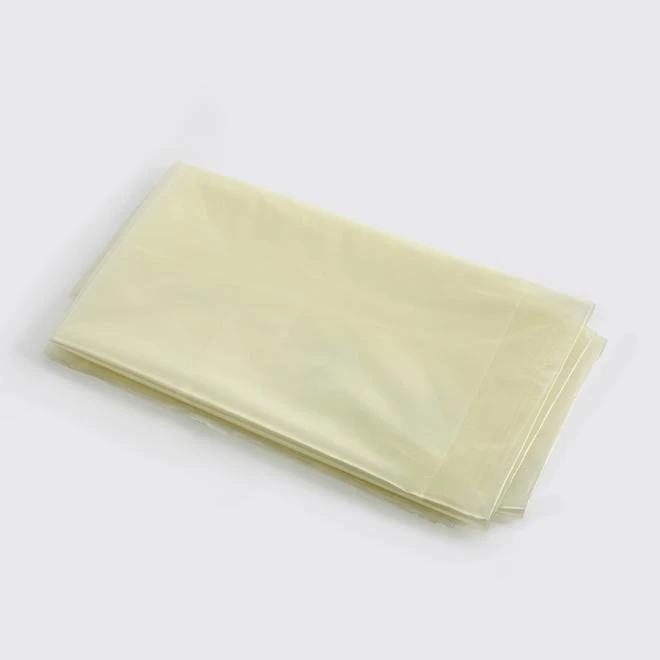
5 Years UV Protection Agricultural Film For Flower Planting
5 Years UV Protection Agricultural Film for Flower Planting is a advanced technology that has revolutionized the way farmers and gardeners grow their plants. This film is specifically designed to protect flowers from the harmful effects of UV rays, ensuring healthy and vibrant growth.
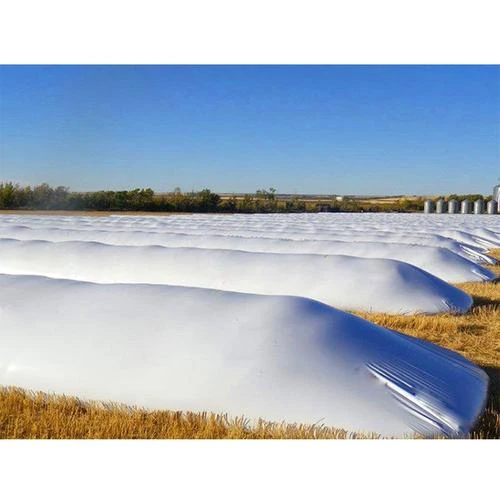
Silo bags are an innovative agricultural storage solution that provides farmers and producers with a cost-effective way to store and protect their crops. These bags are made of high-quality, durable plastic materials that are designed to withstand the elements and protect the contents inside from moisture, pests, and other environmental factors.
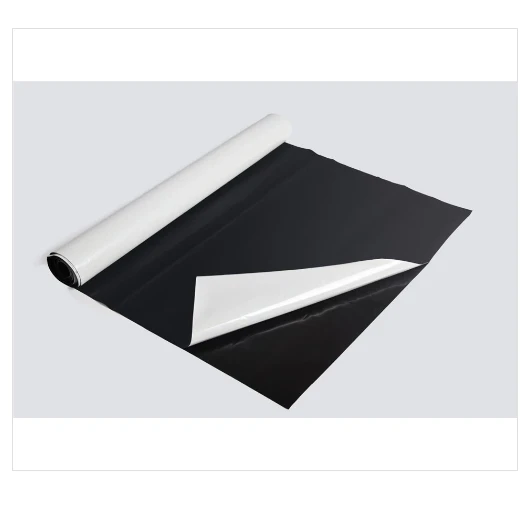
Black And White Alternating Plastic Film
Regulate low temperature, improve the utilization rate of water and fertilizer, inhibit weeds, increase the photosynthesis of crops, crop color bright, reflective good, uniform thickness, accurate width, product tension anti-aging performance in Black and white alternating plastic film.

Fertilizer retention capacity, good water retention capacity, inhibit weed growth, protect soil fertility, improve soil temperature, improve crop yield, increase crop efficiency, bright color, high quality, good tensile strength, strong anti-aging properties of black plastic film.

High light transmittance, fast temperature opening, increased crop yields, improved yields, improved quality, soil and water retention, weed suppression, prevention of pests and diseases, drought and flood control, inhibition of salinization, protection of seedlings, good thermal insulation performance of drip plastic film.

EVA Agricultural Film Series Products
Special process, excellent human tensile properties, high softness, strong low temperature resistance, maintain temperature, maintain soil and water, good de-fogging effect, high strength, anti-aging properties, long service life of EVA agricultural film.

EVA greenhouse film has a special process, high transparency, good adhesion, high reflectivity, conducive to crop photosynthesis, improve microbial activity, increase the temperature, prevent soil erosion, durability, easy to store, the fruit color is uniformly brilliant, good quality.
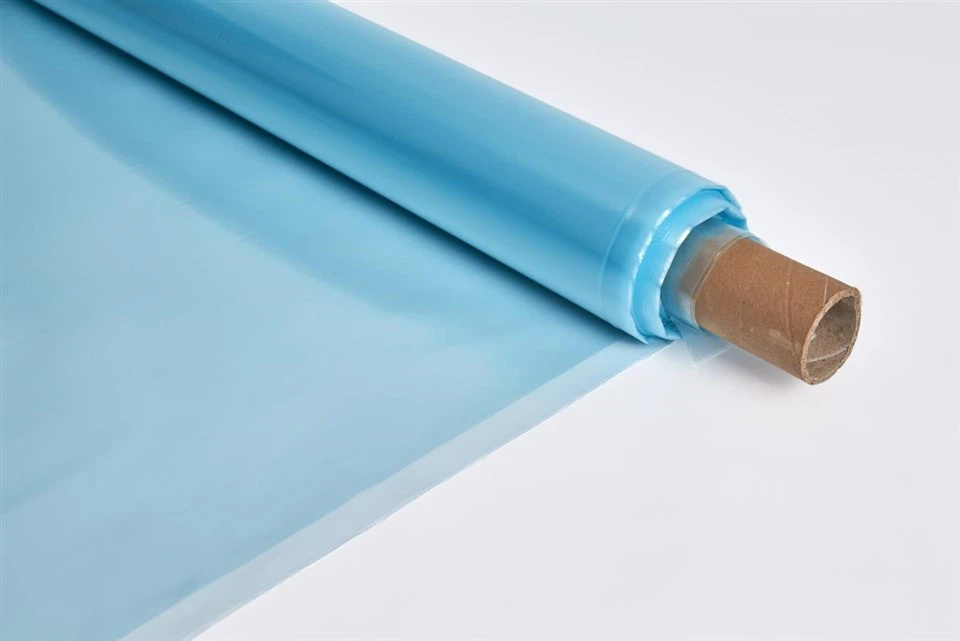
Fine Long-Life Flow Drop Reducing Film And Long-Life Flow Drop Film Series
Long service life, long drip duration, temperature retention, strong tensile strength, excellent optical properties, good mechanical properties, good low-temperature resistance, high quality, precision design, improve yield and quality, widely used in agricultural shed film covering agricultural plastic mulch
What Is Silage Film
The nutritional content of silage, feed mixtures, hay, and maize is preserved by silage film. Instead of relying solely on fresh feeds, farmers can use storage solutions to keep mixes fresh for extended periods. To provide great moisture control and amazing damage resistance, silage wrap film is manufactured of special multi-layer technology. The properties of these materials prevent the silage film from puncture, abrasion, and rupture. The silage film protects the silage from environmental influences and ensures that the nutrients within the feed are not lost over storage time or that the nutrients inside deteriorate.
Advantages of Silage Film
Improves feed quality
The film reduces the amount of degradation that occurs in the silage during storage and feeding, which can be significant when it comes to keeping your cattle healthy.Silage films also provide a barrier between the environment and your silage, which helps keep them cool while they're being stored or fed out.
Cost effective and easy to store
Silage films are very easy to store as silage bales can be placed directly in the field without the need for special storage space. When it is time to use the feed, the bales are then opened up inside the barn for use.
Longer shelf life
High-quality silage film is guaranteed to last for more than 12 months outdoors. This is enough time to ensure that your silage does not receive environmental damage before it is consumed and that it does not become moldy or spoiled while maintaining its nutritional content.
Harmless and odorless
The silage film is harmless and odorless. This means that the film can be used on any type of farm and will not contaminate crops or harm animals. The film also does not contain pesticides or other harmful chemicals, so it is safe for both humans and animals.
The Materials Of The Silage Film
Silage film is typically made from metallocene polyethylene or LLDPE.
MPE, or metallocene polyethylene, is a special type of thermoplastic made using metallocene catalysts and copolymers. This product is characterized by uniform co-monomer content, narrow molecular weight distribution, high resistance to puncture and damage, high toughness, tensile strength, and stiffness. Through the use of metallocene catalysts, the manufacturer is able to introduce desirable properties in the product based on its application. A variety of products can be manufactured using PE, such as films, sheets, injection moulding, extrusion coating, etc. LLDPE is a substantially linear polyethylene, with a large number of short branches, generally obtained by copolymerizing ethylene with long-chain olefins. It differs structurally from conventional low-density polyethylene (LDPE) in that it is free of long-chain branching and impurities. Since LDPE is recycled into LLDPE, the linearity of LLDPE is almost the same as that of LDPE. In addition to having a narrower molecular weight distribution than conventional LDPE, LLDPE has significantly different rheological properties because of its linear structure. As a result of the use of these materials, the silage film is extremely ductile and highly resistant to punctures and tears. An important function of good quality silage film is the barrier to oxygen. This is because the silage film needs to provide an oxygen-free environment for the silage to react without oxygen and thus ensure that the internal nutrients are not damaged. This is what distinguishes silage from hay. The materials used in the manufacture of silage packaging film, metallocene polyethylene or LLDPE, provide such a barrier to oxygen. At the same time, studies have shown that a multi-layer structure is also effective in ensuring an oxygen-free environment inside the bales, preventing adverse factors such as mold from occurring. This is because many studies have shown that bales with less than four layers of structure produce more mold. One of the essential qualities of a good silage film is its strength per unit weight. This determines how much the film can support without breaking or tearing. The stronger the film, the better it will protect your feed from oxygen and moisture. There are a few factors that affect the strength of a Silage film. Tensile strength is the amount of load or stress that a material can withstand before stretching and breaking. Qualified silage stretch film must have a certain amount of tensile strength to ensure a firm and tight fixing when used. And tear resistance ensures that the film does not break or crack during machine operation.
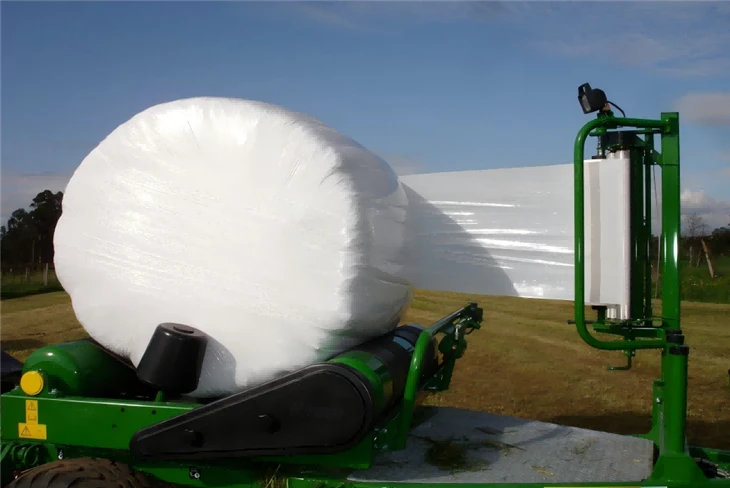
Silage film is used to conserve and store crop nutrients and to minimize losses from harvesting until feeding by stretch wrapping around baled silage, maintaining an airtight environment to preserve the crop's value. Silage film distinguishes itself through exceptional durability, achieved by incorporating top-tier virgin raw materials. This results in outstanding resistance to punctures, abrasions, and tears, rendering it an optimal selection for outdoor storage applications. Moreover, its superior cling capabilities in both silage and round or grass bale and hay wrapping ensure airtight conditions throughout the storage period. Additionally, it acts as a formidable deterrent against pests, mold, and harmful bacteria. Furthermore, the film's opacity effectively mitigates damage to the silage caused by prolonged exposure to sunlight. The agriculture and livestock industry is an industry of decreasing margins and profitability in the face of ever-rising costs. Silage film helps to maintain profits by reducing spoilage to a minimum in the baling, storage, and transfer of animal feed until it is consumed. Silage wrap suppliers are seen as vital contributors to the farming industry in countries that have intense cold weather seasons and only one specific period of time to harvest silage crops. The silage film retains the nutrients in the crop and slows the decomposition of silage left in the field until it can be gathered and distributed. The film is used in conjunction with a round hay and grass bale wrapping machine. This machine is at the end of a conveyor belt and can move with the harvester in the field. The silage is automatically wrapped in a cylinder by the baler and then emerges onto a platform. The platform is encircled by arms carrying rolls of the hay or grass wrap, which circle the bale and wrap the silage tightly. The film is a puncture and tear resistant product made of linear low-density polyethylene (PE-LLD). The rated thickness of the film is 25 μm, and the dimensions of the rolls are 1,500 m in length and 75 cm in width. The silage film is white in color and free of waviness and pores. The opaque quality of the film limits heating from the sun and retards fermentation of the silage.
What Physical Properties Should Silage Film Used for Baling Have?
Newly developed formulations from make it possible to manufacture high-quality silage film on its cast stretch film lines. Compared with the manufacturing of blown silage film, this new approach offers some key advantages: higher output capacities, significantly lower production costs and the possibility to optimise the relevant film properties. Silage films are primarily used in agriculture to preserve bales of silage, hay and maize. Wrapped around the bales, silage films prevent over-fermentation processes and maintain the nutritional value of the contents. To ensure easy bale wrapping and proper protection throughout the entire storage period, the quality requirements of these films are relatively high. So far, silage film was mainly made from blown film as the right dart impact, cling level and oxygen permeability could be more easily achieved than with cast film. This is now changing. Typically, silage film made on cast film line has at least 5 layers. The claim to fame of the silage film for bale wrap is that the cling layer has to be at the outside of the roll and the "stickiness"has to be very high, whereas a good cling level is between 5-10 N/m.The layer on the other side of the silage film has to have a high slip. The 'slip layer' helps to ensure that the wrapped bale does not get damaged during the stapling and storage process. As usual, the UV masterbatch is also added to this layer. The UV additive protects the goods against damage caused by sunlight.The properties of the inner layers of the silage cast film guarantee the right dart impact and stretchability.
Silage film, also known as bale wrap or bale silage film, is a plastic film that is used to wrap and protect silage bales. Silage is a fermented feed made from crops such as corn, grass, or hay, which is stored and preserved for fodder during the winters or periods of feed scarcity. The purpose of silage film is to create an airtight seal around the bale, preserving the nutritional value of the silage and preventing spoilage caused by exposure to air, moisture, and pests. The future outlook for the silage stretch film market is promising. The global demand for silage film is increasing due to the growing need for efficient and effective silage preservation techniques in the agriculture industry. The rising demand for animal feed, especially from the dairy and livestock sectors, is one of the key drivers for the market's growth. Additionally, technological advancements in the production of silage films, such as the development of multi-layer films with higher tensile strength and puncture resistance, are further fueling market growth. These advancements not only improve the durability and performance of the film but also provide cost-saving benefits to farmers by reducing the amount of film required per bale. Moreover, the focus on sustainable agriculture practices and the increasing adoption of silage as a feed source in emerging economies are expected to boost the demand for silage film in the future. The market is also witnessing a trend towards the use of biodegradable or compostable films, driven by environmental concerns and regulations. The silage film market is projected to experience significant growth in the coming years, with a forecasted CAGR of %. Factors such as increasing livestock production, technological advancements.
Emerging Trends and Applications in Silage Film Market
Silage film is used to wrap silage bales for storage and protection. It comes in different types based on the material used. LLDPE (Linear Low-Density Polyethylene) is a commonly used type due to its high puncture resistance and stretchability. LDPE (Low-Density Polyethylene) is another type known for its strength and durability. Other market types include blends of LLDPE and LDPE, as well as specialty films designed for specific applications. These different types cater to various user preferences and provide varying levels of strength, elasticity, and protection for silage bales. Silage film is widely used in the agricultural industry for the preservation and storage of various crops such as grass, corn, and other similar crops. It is applied to these crops to create a protective layer, preventing exposure to oxygen which can lead to spoilage and nutrient loss. The film tightly wraps around and seals the crops, maintaining their freshness, nutritional value, and palatability. This application is crucial for farmers and livestock owners as high-quality silage ensures reliable feed sources, contributing to better animal health, productivity, and profitability. Emerging trends in the global silage stretch film market include the increasing adoption of bale wrapping for animal feed preservation, as it prevents spoilage and maintains the nutritional value. Additionally, there is a growing demand for high-quality films that offer enhanced oxygen barrier properties and puncture resistance, leading to improved silage preservation. Technological advancements such as the development of multi-layer films with higher UV resistance and improved elongation properties are also on the rise. Furthermore, the market is witnessing a shift towards online distribution channels, providing convenience and cost-effectiveness to buyers.
Introduction to the Production Process of Silage Film
Our silage film has an excellent cling and very high pucnture resistance to help in reducing spoilage of your silage and helps in keeping the permeability of water and oxygen very low. Our silage stretch film has high load retention to keep the shape of the bale intact during the life of the bale. Silage films are essential for preserving and protecting silage, a type of forage stored for livestock feed. We specialize in manufacturing high-quality silage films using advanced processes and materials. Our films offer superior features and benefits that set us apart from others in the industry.The manufacturing process of silage films involves blending and extruding multiple layers of specialized polyethylene resins. These resins are carefully selected for their strength, flexibility, and durability. The extruded layers are then combined to form a strong and protective film. Our state-of-the-art machinery ensures precise thickness and consistent quality throughout the production process.
Our Factory
We are an established manufacturer of agricultural film in China with over 30 years of experience in the industry. Our mission is to empower farmers globally with advanced and innovative solutions that help them achieve better crop yields while promoting environmental sustainability. At our state-of-the-art production facility, we use the latest technology and quality materials to manufacture a wide range of agricultural films, including greenhouse films, silage films, mulch films, and more. Our films are designed to resist harsh weather conditions, enhance crop growth, and protect against pests and diseases.
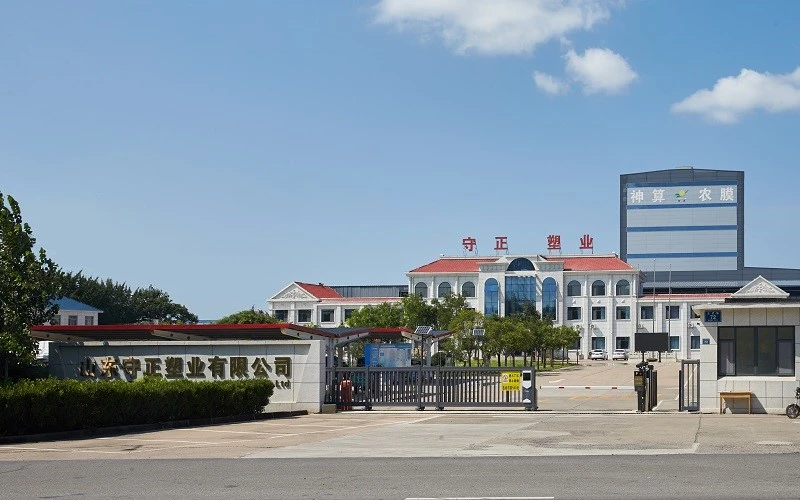


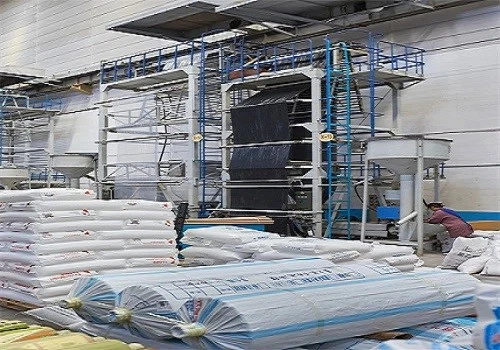
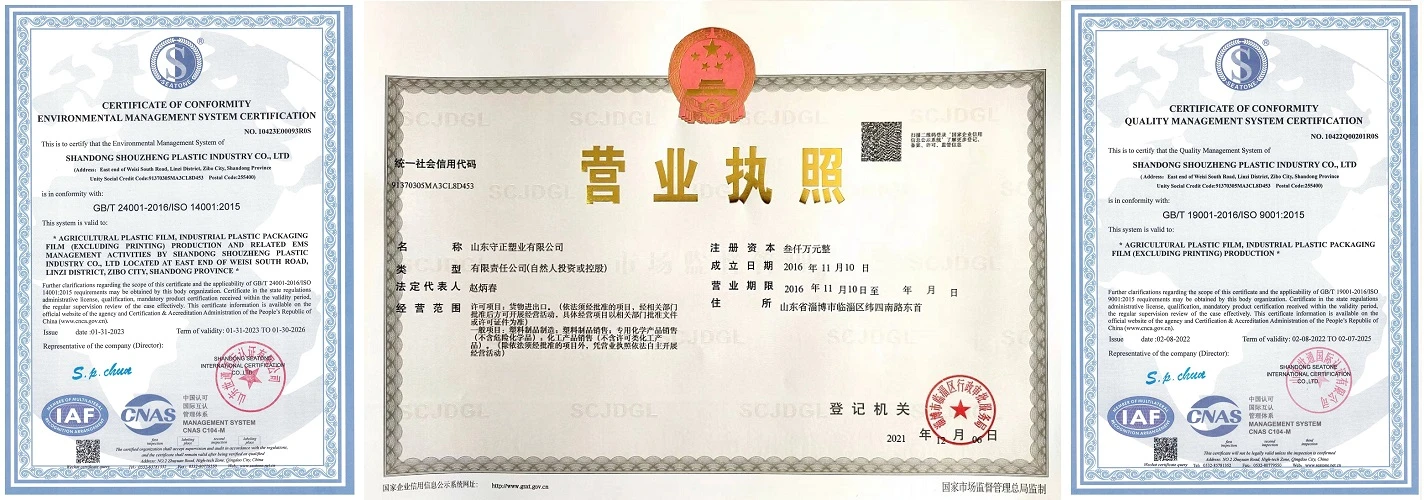
Our certificate
FAQ
Hot Tags: silage film, China silage film suppliers, factory, Silage Film, PO Agriculture Greenhouse Plastic Film, Degradable Mulch, Transparent Plastic Film, PO Agriculture Film Series, Special Film for Animal Husbandry