

Interpret The Silage Film
Hello everyone, today I would like to introduce our Silage Film.
Everyone is familiar with our raw resin will be made into products, but we do not know about many product applications, such as Silage Film, which can be used to pack silage. So today we want to tell you some more science, and then add a little impression.
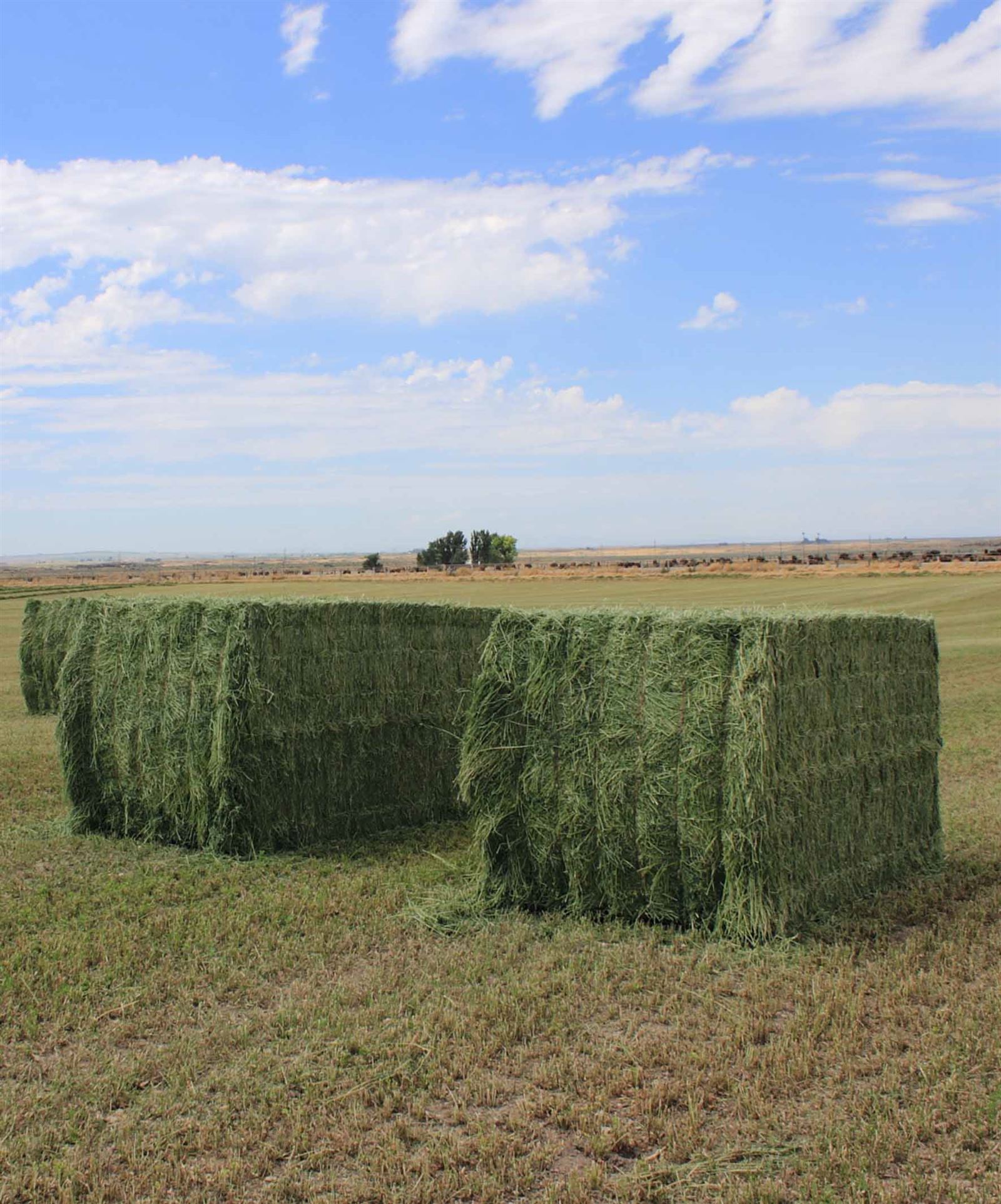
First of all, I would like to introduce to you the common forage in Inner Mongolia-alfalfa, commonly known as clover, which is a very common forage variety in the forage circle. Because of its high nutritional value, he is also one of the star raw materials for making silage. Alfalfa is a perennial herb, which has strong cold tolerance, high grass yield and outstanding regeneration ability. When mature, it is harvested by large machinery and dried on the spot, and then packaged with a baler.
So, after our alfalfa is harvested, how do we make the silage that cattle and sheep often eat? Next, we continue to explore the secrets of the birth of silage.
Silage is a kind of coarse feed obtained after crushing the green feed with water content of 65% to 75% and inhibiting the fermentation of anaerobic lactic acid bacteria under the closed conditions of hypoxia.
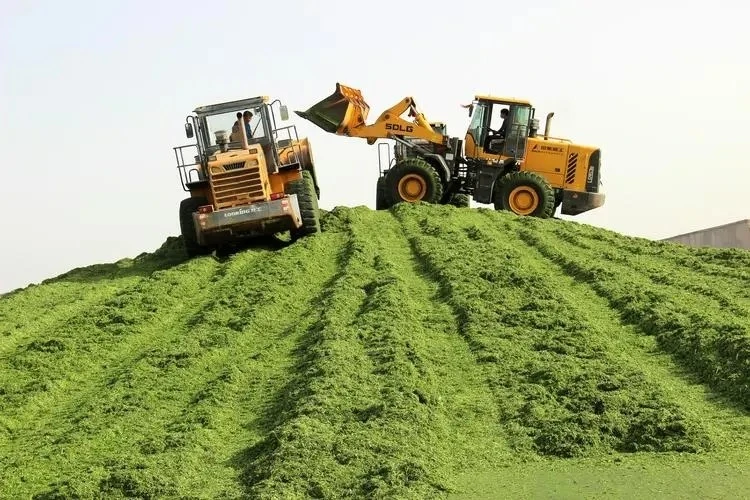
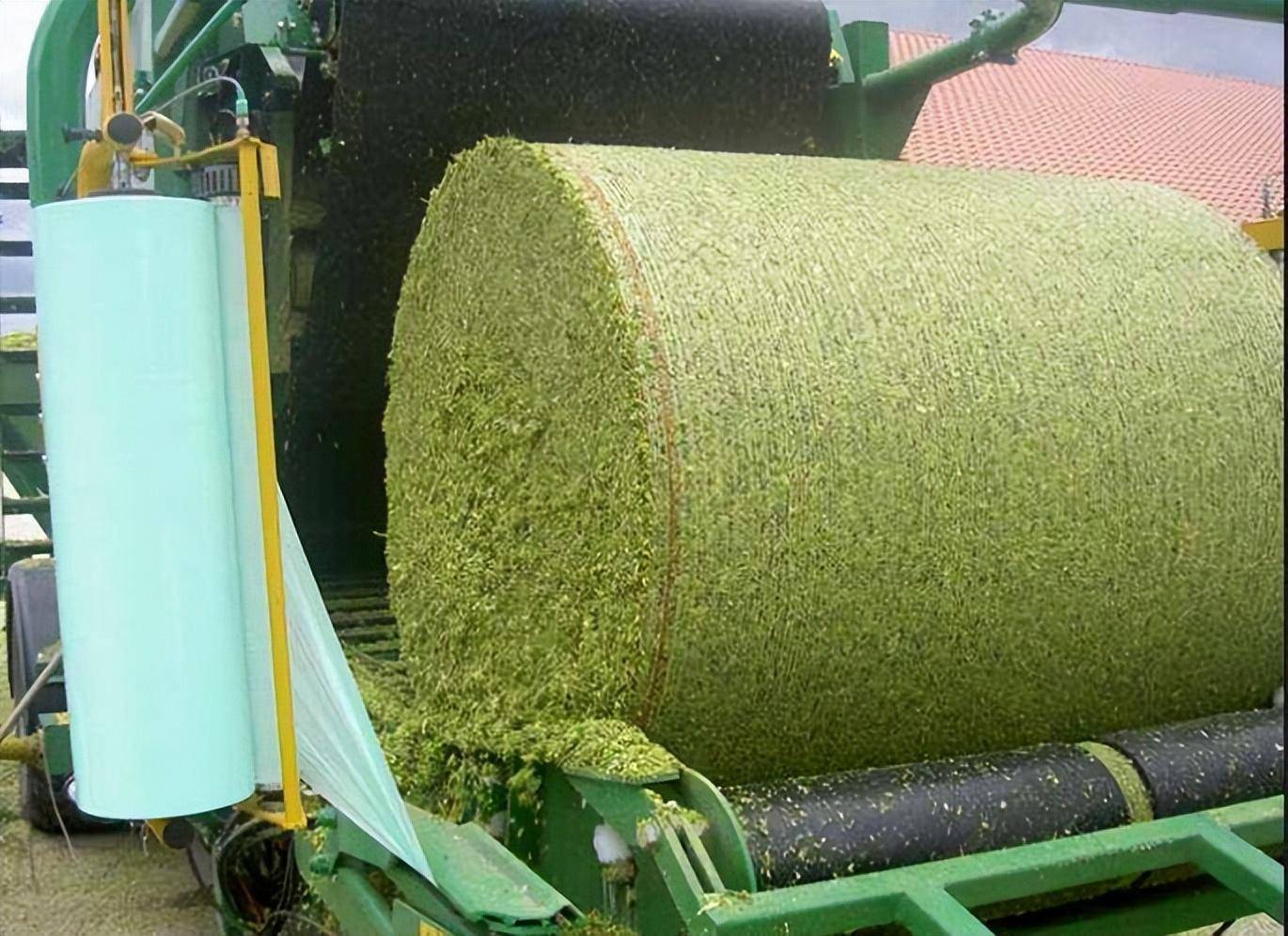
Silage smell, sour, soft and juicy, good palatability, rich nutrition, conducive to long-term preservation are good feed sources for livestock, mainly used for feeding ruminants. Silage is more storage-resistant than fresh feed and more nutritious than dry feed. In addition, silage is used in Silage Film storage, which covers less land and has no fire problems. The Silage Film currently has three main sizes, which are 25cm wide, 50cm wide and 75cm wide. The global annual use of Silage Film is now about 350,000 tons.
What kind of film, for the actual use of users, is a better film? What kind of film, can meet the specific requirements of the user use?
The first and the most basic requirement is that the film must have excellent puncture resistance and oxidation resistance. Because users use Silage Film in outdoor work all the year round, and after the silage is packaged, it is also stored outside all the year round, so the user's demand for these two aspects is very high.
Secondly, the Silage Film also needs to have good thickness uniformity, high tensile strength and elongation, low light transmittance and good cold resistance.
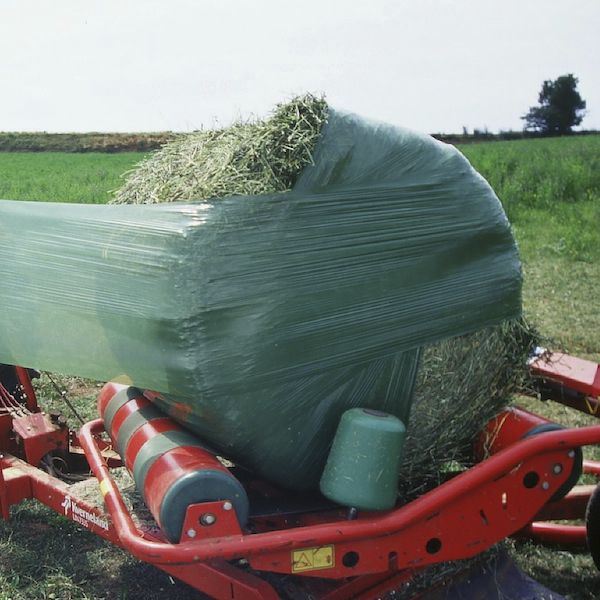
Silage Film produced from Shouzheng company's high performance polyethylene, with excellent, durable tensile strength and tear resistance, as well as excellent wrapping force. From forage harvest, to picking, packaging, transportation, and then to terminal use, our high-performance polyethylene can help reduce the waste, destruction and loss in the industrial chain, help customers to achieve cost reduction, farmers are welcome to come to buy.
In addition, Shouzheng company has a strong insight into the market, and the real-time countermeasures are relatively timely. When working in cold areas, the viscosity on the silage will directly affect the quality of the membrane, and the change of follow-up temperature and environment. Shouzheng company can make a timely response plan for users, reduce customer losses, increase customers' gross profit margin, so that customers are satisfied.
|
Property |
Units |
Technical Requirement |
Inspection Results |
Single Judgment |
|
Tensile Strength At Break[MD] |
MPa |
≥20 |
30 |
Pass |
|
Tensile Strength At Break[TD] |
MPa |
≥20 |
27 |
Pass |
|
Elongation At Break [MD] |
% |
≥600 |
771 |
Pass |
|
Elongation At Break [TD] |
% |
≥750 |
854 |
Pass |
|
Light Transmission |
% |
≤2 |
0.98 |
Pass |
|
Water Vapor Transmittance |
G/m2.d |
≤5 |
2.35 |
Pass |
|
Oxygen Permeability Rate |
23℃ Cm²·um/m²·24h·kpa |
≤1000 |
821 |
Pass |