

To Interpret The Influence Of Ultraviolet Light On The Use Of Agricultural Film
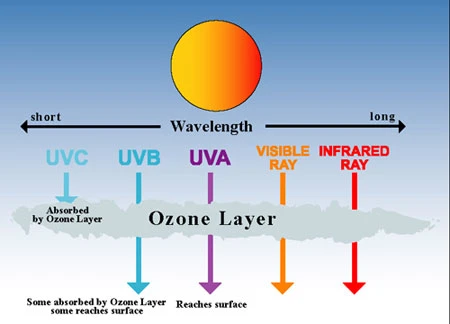
UV radiation is part of the solar spectrum and can be divided into three categories:
1. UVA (320-400nm): the least harmful type, accounting for nearly 95 percent of the UV radiation reaching the earth's surface.
2. UVB (280-320nm): More energy, more harm, will have adverse effects on plant growth and development.
3. UVC (100-280nm): The most dangerous type, completely absorbed by the Earth's atmosphere and rarely encountered in nature.
Although a degree of UV radiation is beneficial for plant growth, overexposure can lead to a range of harmful consequences.
For example, First, high levels of UV radiation can disrupt photosynthesis mechanisms in plants, reducing their ability to produce the energy and carbohydrates needed for growth.
Second, excessive UV exposure leads to chlorophyll degradation, affecting the ability of plants to absorb and use light for photosynthesis.
Third, due to the above factors, prolonged exposure to UV causes plant growth retardation, reduced flowering and decreased crop yield.
Fourth, prolonged exposure to UV radiation can weaken the plant's immune system and increase its susceptibility to disease and pests.
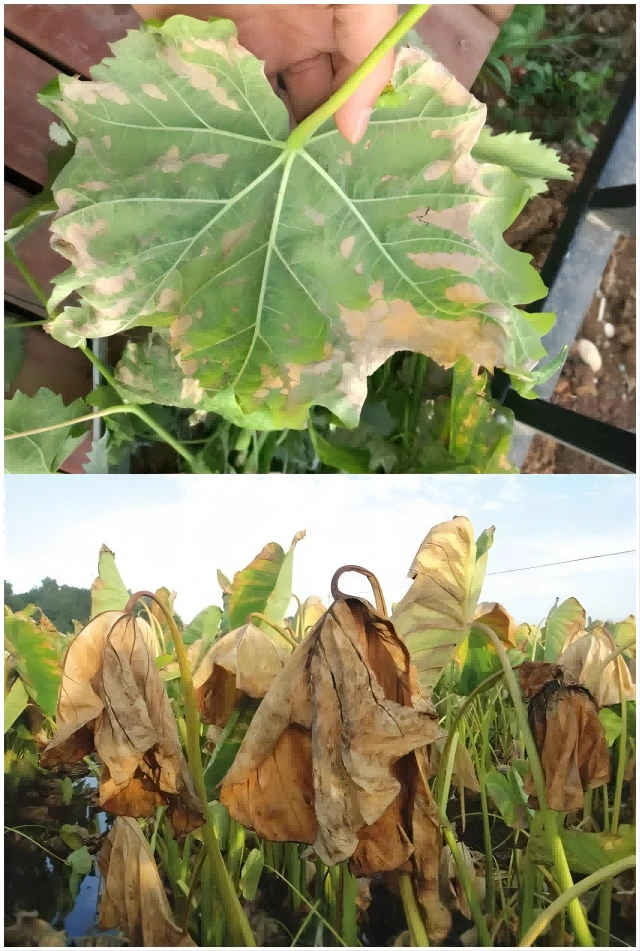
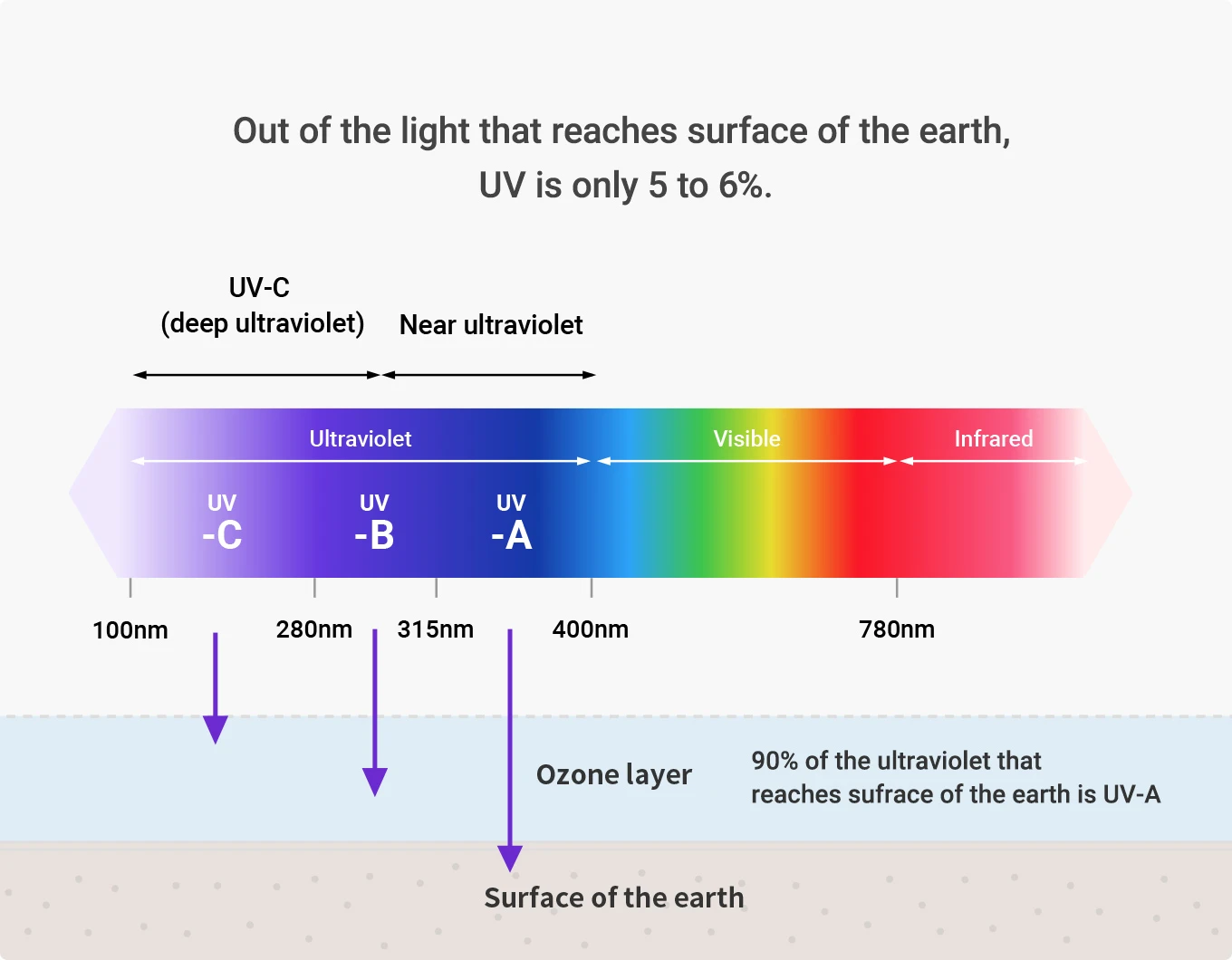
Therefore, it is very necessary to study, such as our product UV Protection Plastic Film. As is well known to all, due to ozone blocking, ultraviolet light in the range of 290nm~400nm incident to the ground, the energy of ultraviolet light is high, it will cause some damage to the growth of plants.
Previously, there was very little research on the relationship between ultraviolet light and crops. In recent years, the research on ultraviolet light has become more popular, and in the process, UV Protection Plastic Film has been urgently developed.
Why should we pay attention to the isolation of ultraviolet light in the growth process of plants?
First, , UV Protection Plastic Film can accelerate photosynthesis and promote the growth of crops. It has been proved that the photosynthesis speed of the cultivated crops is much greater than the photosynthesis of crops in ordinary agricultural film greenhouses. Second, due to the function of promoting fertility, extending the life of branches and extending the harvest period, the quality of the crops cultivated in the greenhouses of , UV Protection Plastic Film has been significantly improved, and the yield is also significantly improved. , UV Protection Plastic Film can change the plant form, improve the quality, and make the crop more competitive.
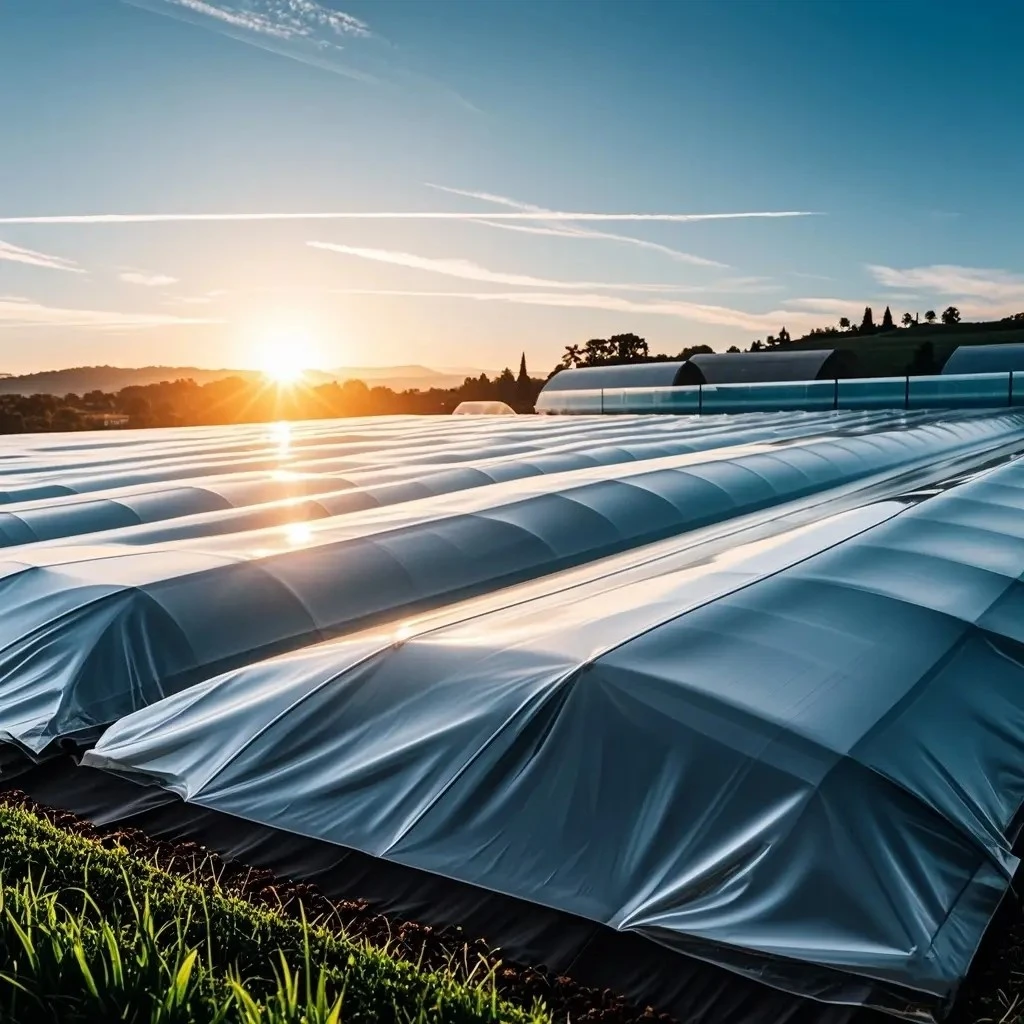
Shouzheng UV Protection Plastic Film through the market feedback, very suitable for crop growth, welcome to come to consult and buy.
|
Property |
Units |
Technical Requirement |
Inspection Results |
Single Judgment |
|
|
Tensile Strength At Break[MD] |
MPa |
≥18 |
33.05 |
Pass |
|
|
Tensile Strength At Break[TD] |
MPa |
≥18 |
35.28 |
Pass |
|
|
Elongation At Break [MD] |
% |
Thickness≤0.08 |
≥350 |
856.14 |
Pass |
|
Thickness>0.08 |
≥400 |
930.22 |
|||
|
Elongation At Break [TD] |
% |
Thickness≤0.08 |
≥350 |
1107.28 |
Pass |
|
Thickness>0.08 |
≥400 |
1128.23 |
|||
|
Tear Strength Of Right-Angle[MD] |
kN/m |
≥70 |
98.77 |
Pass |
|
|
Tear Strength Of Right-Angle[TD] |
kN/m |
≥70 |
117.38 |
Pass |
|
|
Light Transmission |
% |
≥85 |
89.66 |
Pass |
|
|
Haze |
% |
≥50 |
54.03 |
Pass |
|